

The distribution of amphibians is linked to the presence of permanent standing water bodies in the Ili River floodplain, which are formed and replenished during spring floods, as well as temporary pools and springs.
The batrachofauna of the Altyn-Emel National Park is represented by 5 species, 3 of which are listed in the Red Data Book of Kazakhstan (marked with an asterisk).
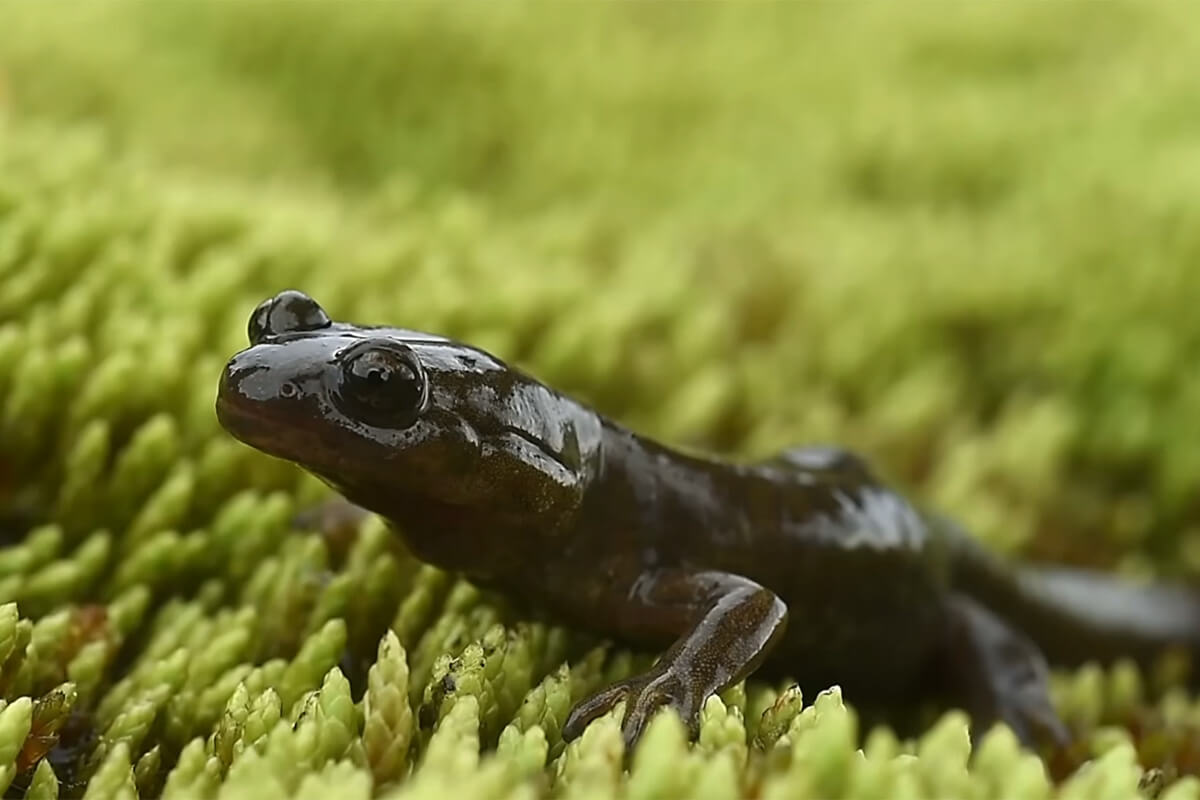
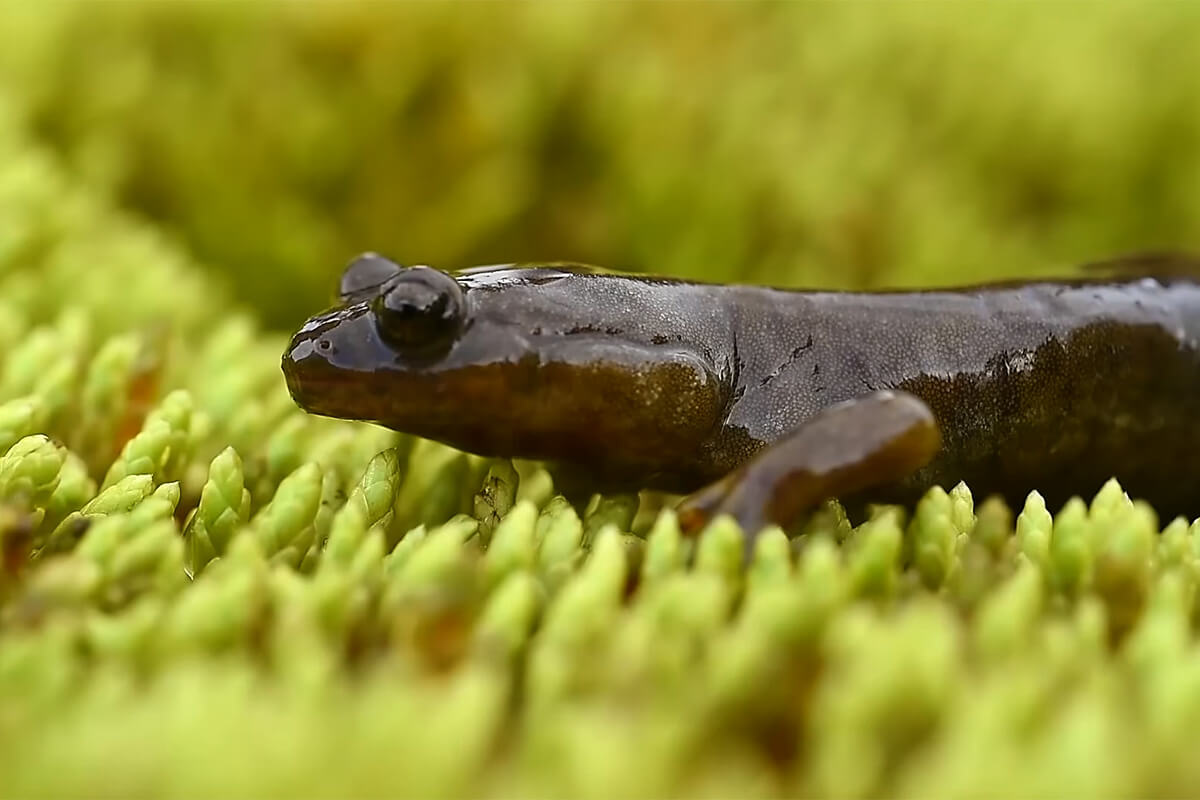
Semirechye Salamander* — Ranodon sibiricus.
A relic of the Mesozoic era. While called a salamander in English, its Russian name lyagushkozub literally translates to "frog-tooth," reflecting its scientific name Ranodon. This refers to the teeth on its palate, which are arranged in the same way as those of frogs — a great rarity among other newts and salamanders.
Although it is called "Siberian" in its Latin name (sibiricus), this was an error by its discoverers. In fact, it lives only in Semyrechye (Zhetysu), in the Dzhungarian Alatau mountains (in clear, cold streams). A narrow-range endemic: if it disappears here, it will disappear from the entire planet.
It is listed in the Red Data Book of Kazakhstan as a species with a shrinking range and population, as well as on the IUCN Red List as an endangered species.
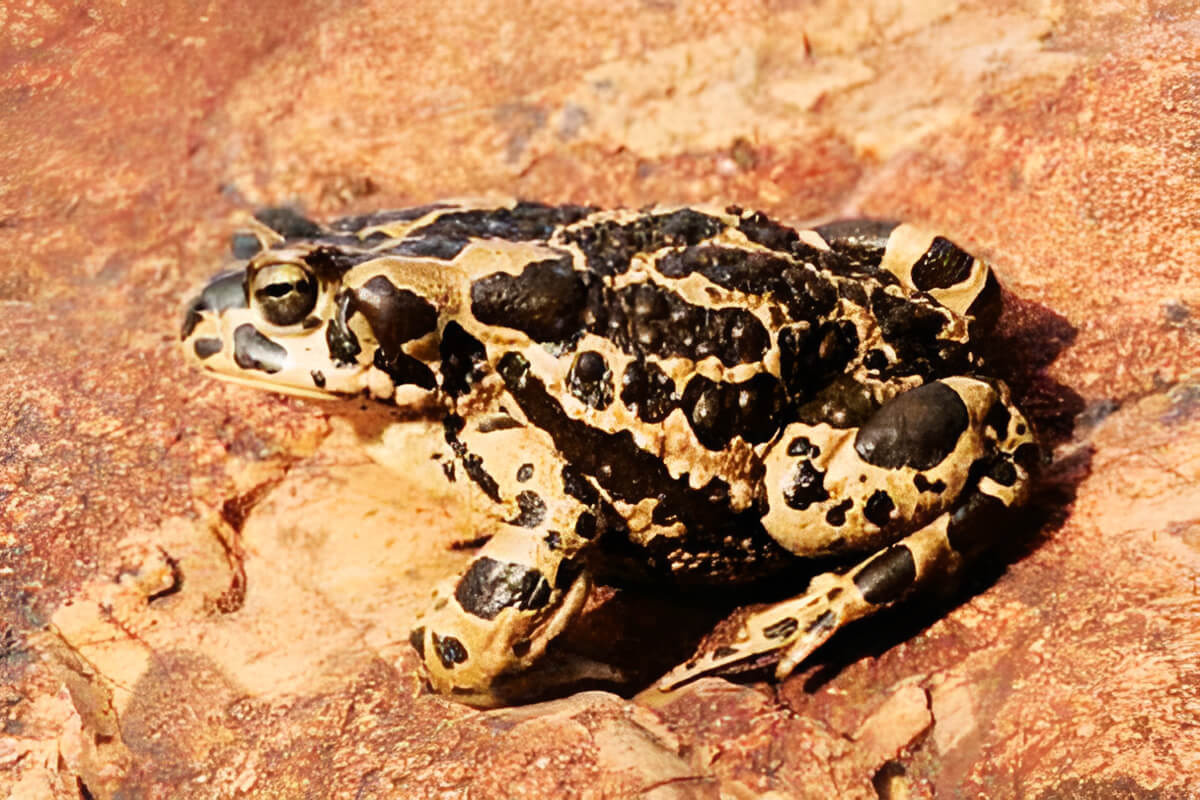
Pewzow's toad, Central Asian toad* — Bufotes pewzowi.
The species is named after the prominent traveler and researcher of Central Asia, Mikhail Pevzov (it was previously classified as the "Danata toad").
Unlike most animals, the Central Asian toad is a tetraploid. It possesses a double supply of genetic material (4 sets of chromosomes instead of 2), which allows it to instantly adapt to extreme environments and easily endure both heat and cold.
One of the most "high-altitude" amphibians in the world, its range extends from arid deserts to alpine meadows. It is found near artesian well spills, large puddles, and other standing water sources.
It is listed in the Red Data Book of Kazakhstan as a poorly studied species.
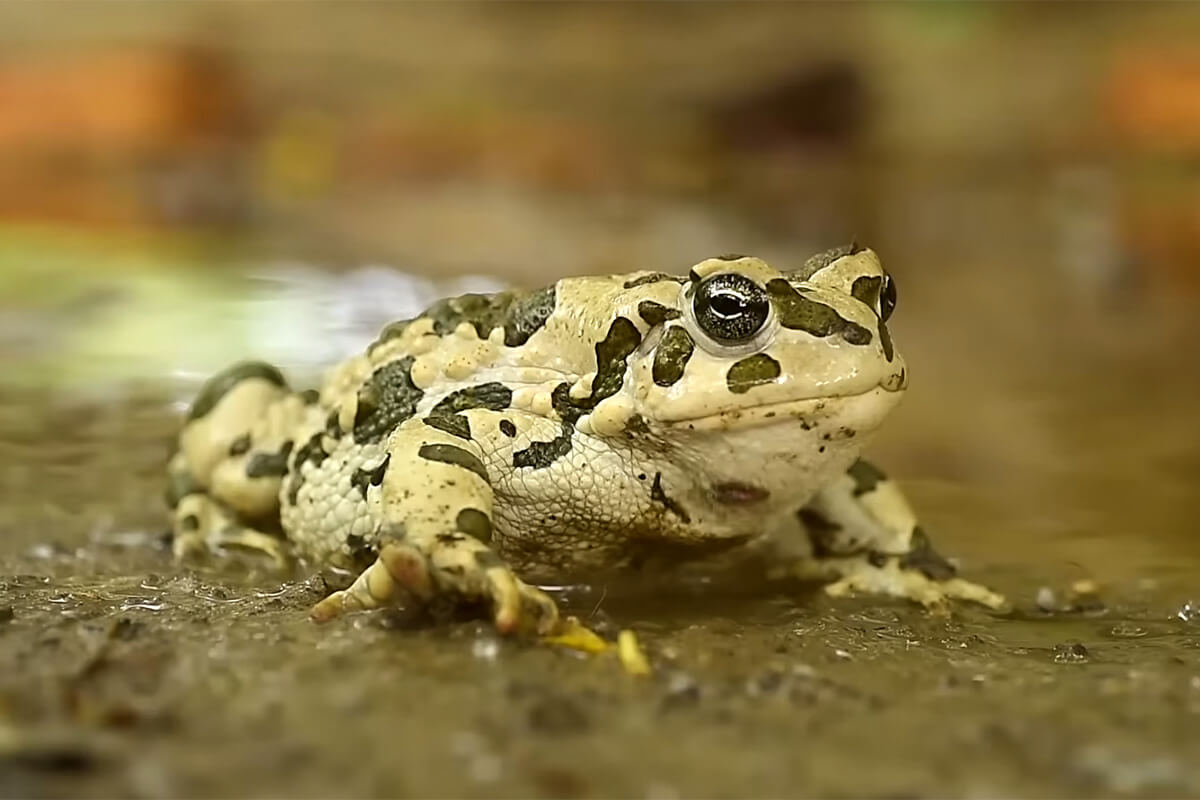
European green toad – Bufotes viridis.
Of all the amphibians across Central Asia and Eastern Europe, the green toad is the most drought-resistant. It is capable of enduring water loss of up to 50% of its body weight, recovering by absorbing moisture through its skin from the soil or morning dew.
It possesses a rare ability for amphibians to live in bodies of water with high salinity, allowing it to inhabit seacoasts and semi-deserts.
It is found near artesian wells, water pits, and other water sources.
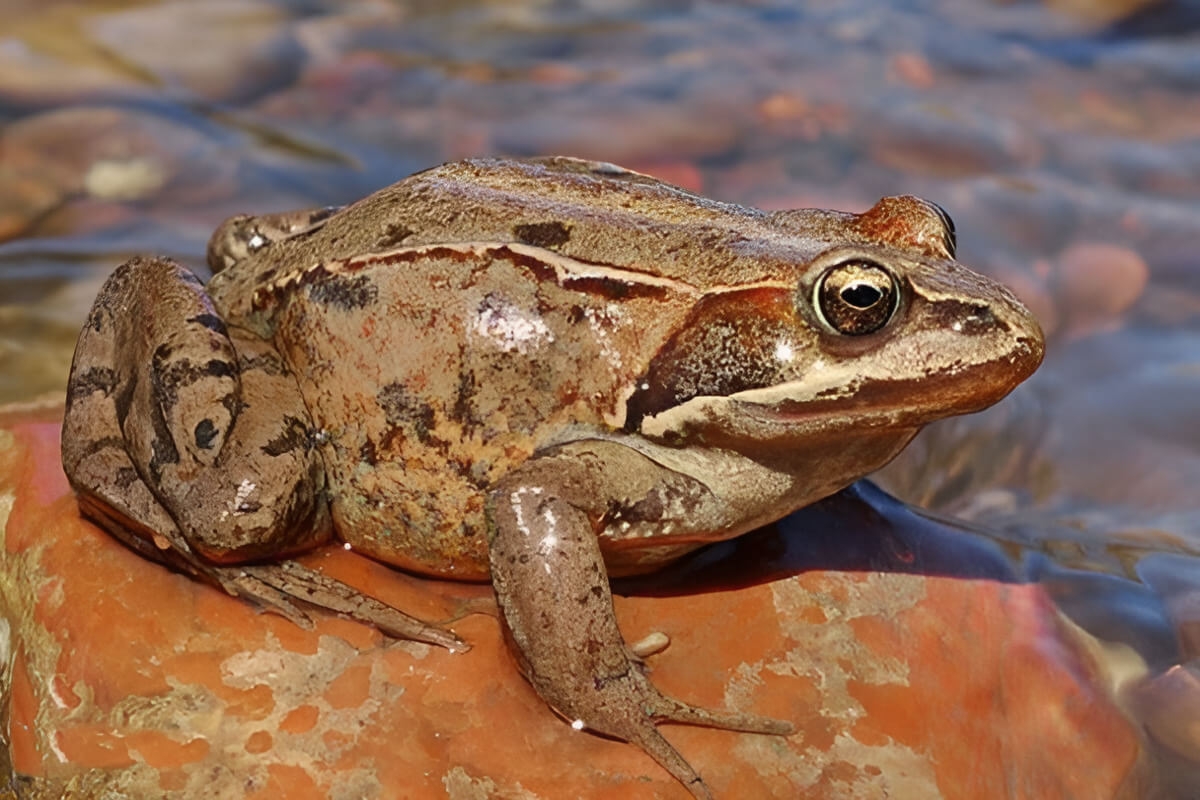
Central Asiatic frog* – Rana asiatica.
It belongs to the brown frog group (its skin is olive or brown with dark spots).
It is adapted to extreme conditions — it can be found in both desert oases and mountain valleys at altitudes up to 2,700 m.
Scientists use this species as a living indicator of the health of freshwater ecosystems. The disappearance of the frog from its usual habitats signals serious changes in the water regime or environmental pollution.
It is found at the eastern end of the Kapchagai Reservoir. It is listed in the Red Data Book of Kazakhstan as a species with a shrinking range and population.
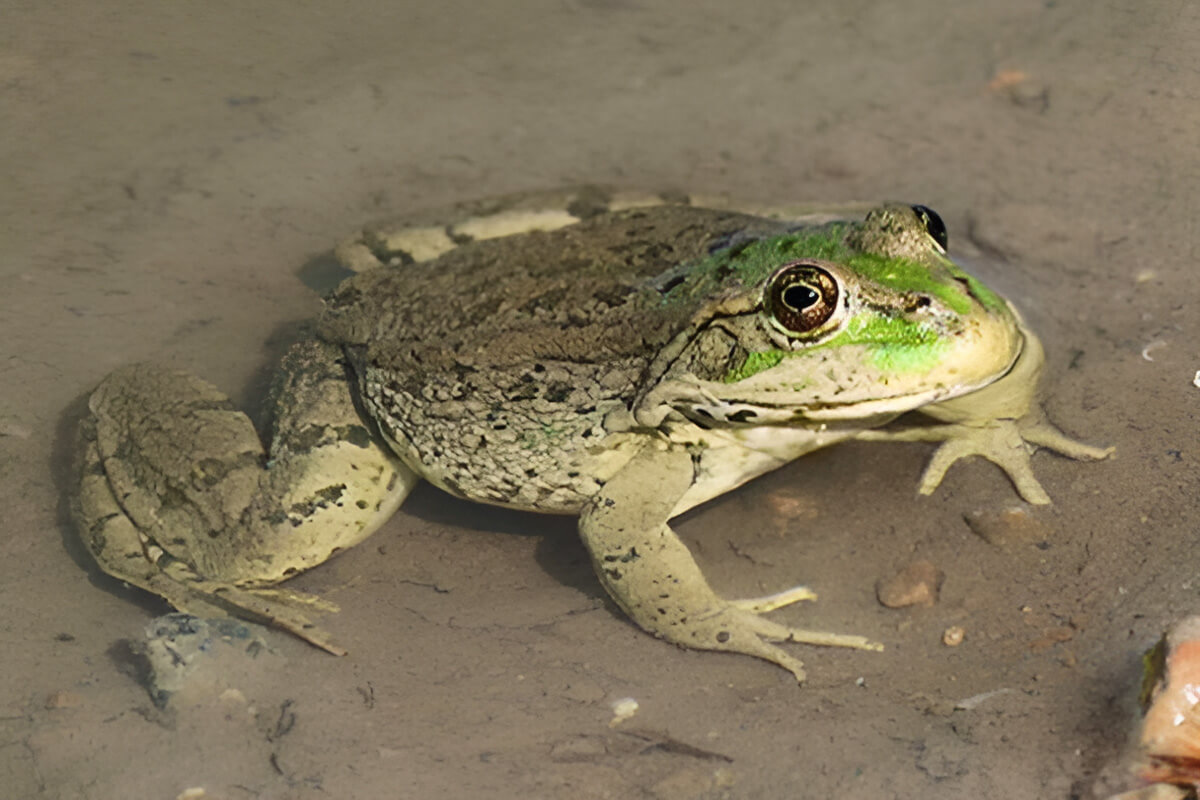
Marsh frog – Pelophylax ridibundus.
The largest amphibian species in the fauna of Europe and Central Asia. The body length of adults can reach 15–17 cm. Females are typically significantly larger than males.
Marsh frogs are capable of surviving in polluted water bodies and urban drainage canals where other amphibian species perish.
It is observed in standing waters formed by artesian wells, as well as along the Ili River.