


What to Bring
- Documents: Passport or ID card (mandatory for checkpoints and registration).
- Backpack: A small, comfortable daypack for your essentials.
- Personal Hygiene: Toothbrush, toothpaste, and other personal care items.
- Paper Products: Tissues and toilet paper (preferably white, dye-free, and unscented).
- Environmental Care: Trash bags (remember: all waste must be carried out of the park).
- Skin Protection: Sunscreen (SPF 30+) and insect repellent (spray or cream) against ticks and biting insects.
- Electronics: Smartphone, camera, power banks, and charging cables.
- Health: A personal first-aid kit including your specific medications, band-aids, and antiseptic.
- Hydration: An adequate supply of drinking water (at least 1.5–2 liters per person per day).
- Cash: Bring an adequate amount of cash (in KZT, tenge). There are no ATMs or payment terminals in the village of Basshi.
What to Wear
Distances in the national park are vast, so your clothing, footwear, and headgear must be as comfortable as possible for long hikes.
Clothing for the Summer Season:
- Gear: Wear comfortable, durable hiking clothes that you don’t mind getting dirty: trousers, a T-shirt, a hoodie, and a windbreaker/raincoat. Your gear should be suitable for sunny, hot, and windy weather.
- Color and Fit: It is advisable to wear loose-fitting, light-colored clothing. Be sure to use sunscreen on all exposed areas of your body.
- Skin Protection: You may wear shorts if you are not afraid of getting sunburned, scratching your legs on rocks, or being bitten by insects. Otherwise, it is better to choose trousers and a long-sleeved shirt.
- Dust: Keep in mind that you will get very dusty during the journey, so choose your clothing and footwear accordingly.
Footwear:
- Primary Footwear: Your shoes should be trekking/hiking boots or sneakers with good traction, designed for hiking, including mountain terrain. Do not wear flip-flops for the trip.
- At the Singing Dune: When climbing the dune, you can go barefoot (if the sand is not too hot) or change into light footwear that allows you to easily shake out the sand afterward.
Accessories:
- Headwear: A hat or cap is mandatory for protection against the sun and wind.
- Sunglasses: You may also need sunglasses, especially if your headwear does not have a visor or brim.
For Overnight Stays and Cold Seasons:
- Overnight Stay: If you plan to stay overnight at a hotel or campsite, bring a spare set of clothes and flip-flops/slides for comfort. Remember that nights can be cold during the shoulder seasons.
- Cold Season: For the colder months, you will need warm hiking clothes, specialized footwear, and thermal underwear.
Safety Measures
Following standard wildlife safety protocols and personal hygiene rules will ensure an enjoyable stay and a fascinating journey through the park.
Terrain and Navigation:
- Trails: Stick strictly to designated tourist routes.
- Caution on Slopes: Stay alert near cliffs. Avoid areas with loose rocks when moving along slopes.
- Fragile Formations: Keep in mind that the rock formations in the Aktau and Katutau mountains are fragile.
Climate and Health:
- Sun Protection: Always wear a hat to protect yourself from the sun.
- Hydration: Drink plenty of clean water to prevent dehydration in the arid desert climate.
Wildlife and Insects:
- Venomous Species: Two types of venomous snakes (vipers and pit vipers), as well as dangerous arachnids and insects (black widows, camel spiders, scorpions, and ticks), are occasionally found in the park.
- Repellents: Use tick spray during their peak activity periods (May-June and August-September) and repellents against mosquitoes and midges.
- Emergencies: In the event of a bite from a venomous insect or reptile, seek professional medical attention immediately.
Environmental Ethics
Following eco-friendly practices helps preserve the pristine nature of the Altyn-Emel National Park for future generations.
Waste Disposal
- "Leave No Trace" Principle: No matter where you are, do not leave any trash behind, including organic waste. This applies to plastic, glass, metal, food scraps, cigarette butts, wet wipes, and personal hygiene products.
- Waste Removal: Pack all your trash securely in bags and carry it out with you to designated disposal areas. The nearest trash bins are located in nearby villages or at specially equipped parking areas.
- No Burning: Burning any kind of waste is strictly prohibited. In the arid steppe environment, this can lead to catastrophic wildfires.
Sanitation in the Wild
- Distance from Water: If you are far from designated restrooms, choose a spot for sanitary needs at a significant distance from tourist trails and water sources.
- Proper Disposal: Do not bury human waste deep in the ground. It is recommended to only lightly cover waste with soil so that solar heat and light can accelerate the decomposition process.
- Toilet Paper: Used paper must also be covered with soil. Use only plain white toilet paper without dyes or fragrances, as it is the least harmful to the ecosystem.
Hygiene While Camping and Spending Time Outdoors
- Detergents: When managing your needs in the field or in tents, use only biodegradable soap and dishwashing liquid.
- Protecting Water Sources: Do not allow detergents to enter open water sources. Collect water in a container and use it as far away from the body of water as possible.
These regulations are designed to ensure the preservation of wildlife as well as the unique cultural and historical monuments of the park. Compliance with these rules is mandatory for all visitors.
1. Documentation and Visiting Hours
- Entry Permit: It is prohibited to be on the park territory without a document confirming payment for the use of the specially protected natural area. Permits must be obtained at the National Park office.
- Visiting Hours: Staying within the park territory during the hours of darkness (nighttime) is prohibited.
2. Movement and Transport
- Routes: Driving or traveling off public roads, designated excursion trails, and approved tourist routes is prohibited.
- Parking and Maintenance: Parking and washing vehicles are allowed only in strictly designated areas.
- Watercraft: The use of motor yachts, cutters, motorboats, scooters, and jet skis on the park's water bodies is prohibited (with the exception of specialized vehicles used by the State National Park Inspection).
3. Protection of Flora and Fauna
- Wildlife: Hunting and fishing are strictly prohibited. It is forbidden to disturb wild animals, feed them, or destroy nests and burrows.
- Vegetation: Damaging trees and shrubs, unauthorized grazing of livestock, timber harvesting, or any other illegal forest use is prohibited.
- Resource Collection: Collecting wild fruits, mushrooms, and plants outside of specially designated areas is prohibited.
4. Environment and Camping
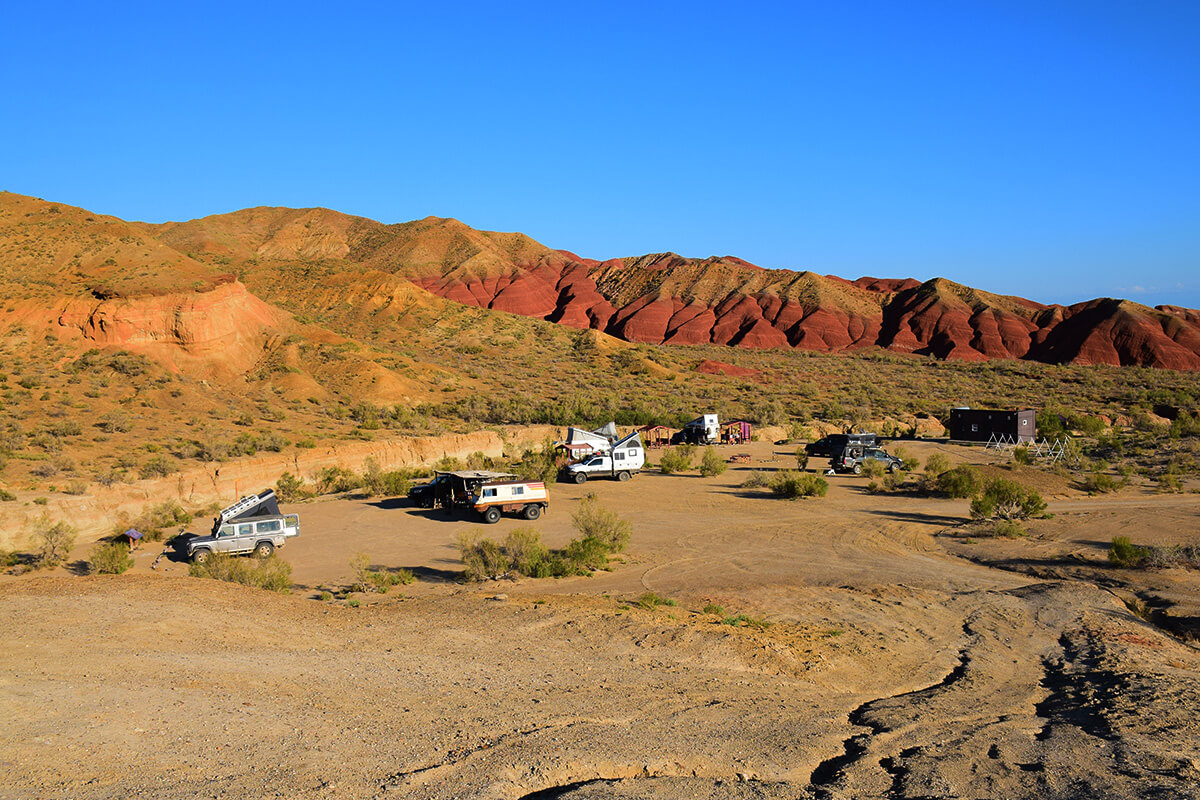
- Camping: Building fires, setting up camps, and pitching tents outside of specially equipped and designated sites is prohibited.
- Water Purity: Polluting open water sources with garbage, chemicals, or any waste products is prohibited.
- Litter: All household waste must be carried out with you or left in specially designated containers.
5. Preservation of Monuments and Infrastructure
- Artifacts: Damaging natural, historical, or cultural monuments is prohibited. It is strictly forbidden to remove stones, fragments of petroglyphs, or any other artifacts.
- Vandalism: Applying inscriptions or drawings on rocks, stones, and trees, as well as on buildings, gazebos, signs, and information boards, is prohibited.
Legal Basis: Order of the Acting Minister of Agriculture of the Republic of Kazakhstan dated September 1, 2010, No. 555 "On Approval of the Rules for Visiting Specially Protected Natural Areas by Individuals."
Important Information: