


Shoqan Walikhanov and the Spring in Kokbastau: The Story of a Legendary Journey
Just two kilometers from the Singing Dune, in the Kokbastau tract, lies a small oasis.
In 1856, Shokan Walikhanov — a brilliant officer, the first Kazakh scholar, and a legendary scout — stayed here for the night. In his journals, he left a very vivid account of this place:
"...we spent the night by a spring in the sands, finding ourselves in a hollow that teemed with snakes, tarantulas, and scorpions... we could not forget that cursed campsite for a long time".
Today, tourists face no such threats, but standing by the spring, it is easy to imagine the harsh conditions under which great discoveries were made.
Walikhanov's expedition to Kashgaria (1858–1859) was a deadly mission. The Chinese authorities executed any foreigner suspected of spying. Shortly before his arrival, the German explorer Adolf Schlagintweit had been beheaded there — and it was Walikhanov who eventually uncovered the details of his death.
Walikhanov entered the forbidden city of Kashgar disguised as a merchant named Alimbay. He escaped at the very last moment, just hours before the authorities identified the "merchant" as a Russian officer and sent a pursuit after him. Of the 101 camels that began the journey, only 36 reached the destination. "The horses and camels were footsore and so emaciated that we had to abandon animals along the way every day," Walikhanov wrote.
Despite these superhuman hardships, the journey resulted in the work "On the State of Altyshar" — the world's first scientific description of the history and geography of Eastern Turkestan. In terms of its humanitarian and ethnographic depth, Walikhanov’s research surpassed even that of famous scholars like Semyonov-Tyan-Shansky and Mushketov.
Walikhanov had a keen eye for the beauty of nature in what is now Altyn-Emel:
"The fields were bright with orange tulips and oriental poppies, and yellow birds swayed on the long stems of white mallow."
A visit to the Shokan Walikhanov Spring is an opportunity to honor the memory of a great scientist and explorer.

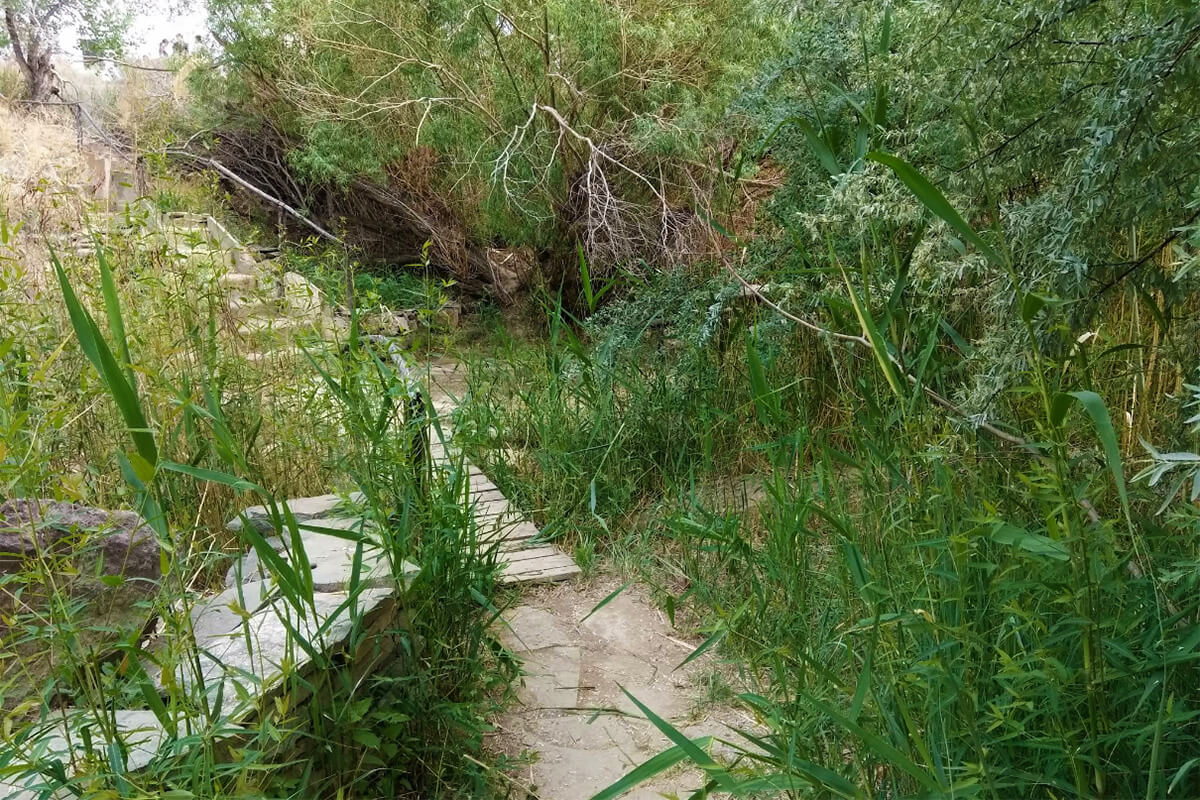
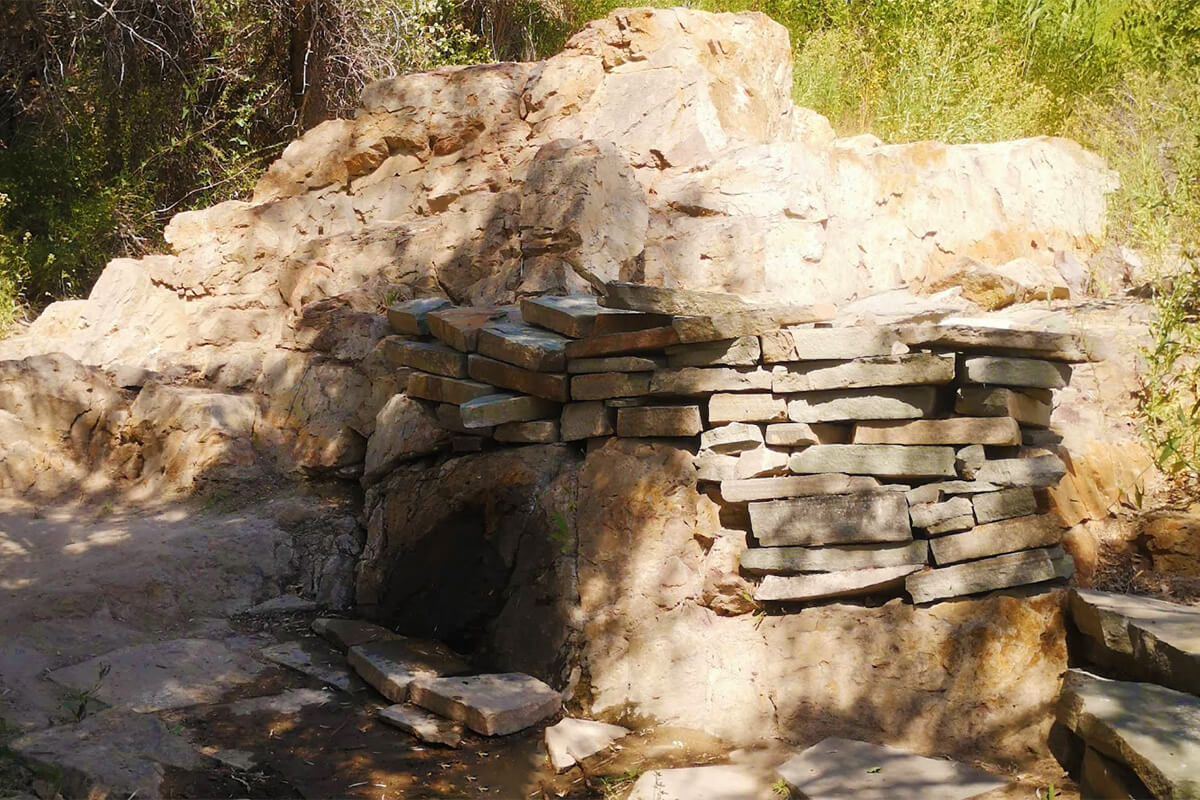
How to Get to Shoqan Walikhanov Spring
Shoqan Walikhanov Spring is located along the main tourist route, so a visit to the spring is typically planned as part of a trip to the Singing Dune. To ensure your visit is comfortable and follows all regulations — please review the detailed instructions below:
- Self-Drive Trip to the Singing Dune — essential travel info, route details, and road conditions.
- How to Buy a Permit — up-to-date information on park opening hours, entry rules, and permit costs.