


According to the results of entomological research conducted in 2009–2011, 1,474 insect species from 7 orders, 52 families, and 535 genera have been identified within the Altyn-Emel National Park. This number is not final. Experts estimate that at least 5,000–6,000 insect species inhabit Altyn-Emel. Such a rich entomofauna is due to the great diversity of the park's natural conditions. All types of deserts, as well as various steppe, meadow, and forest biotopes, are represented here.
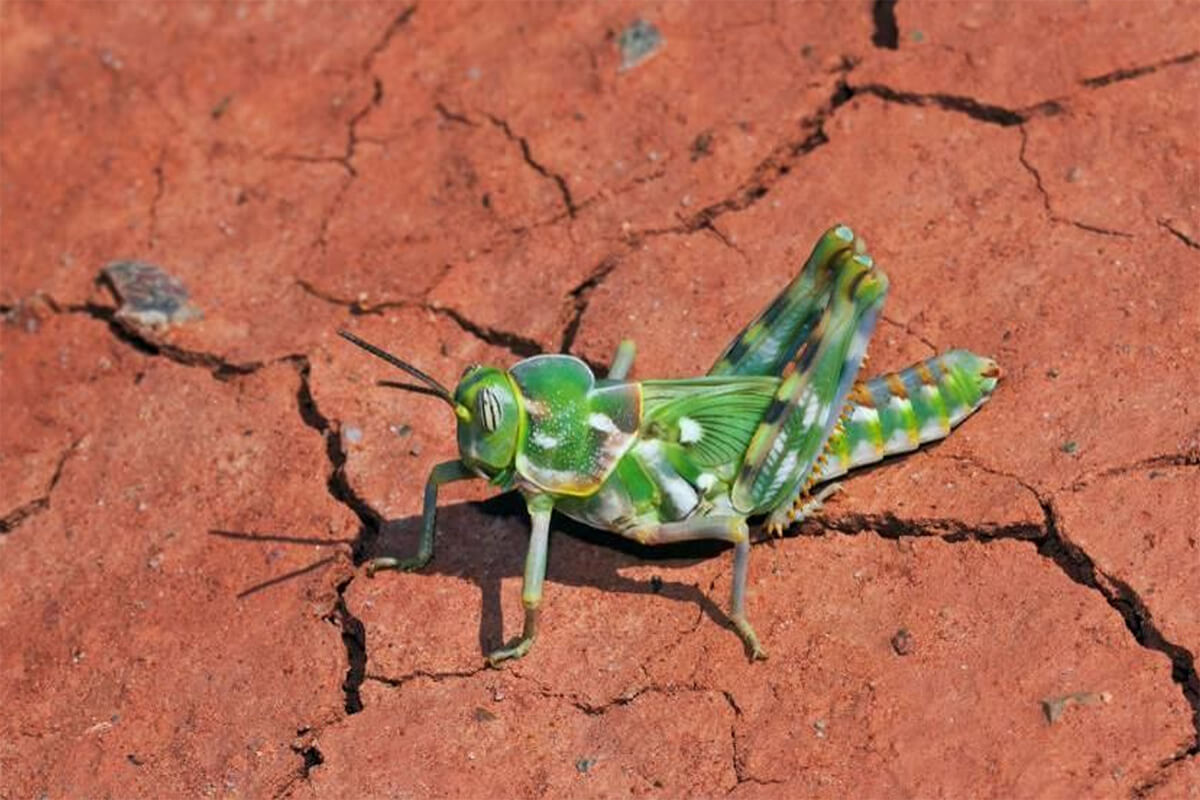
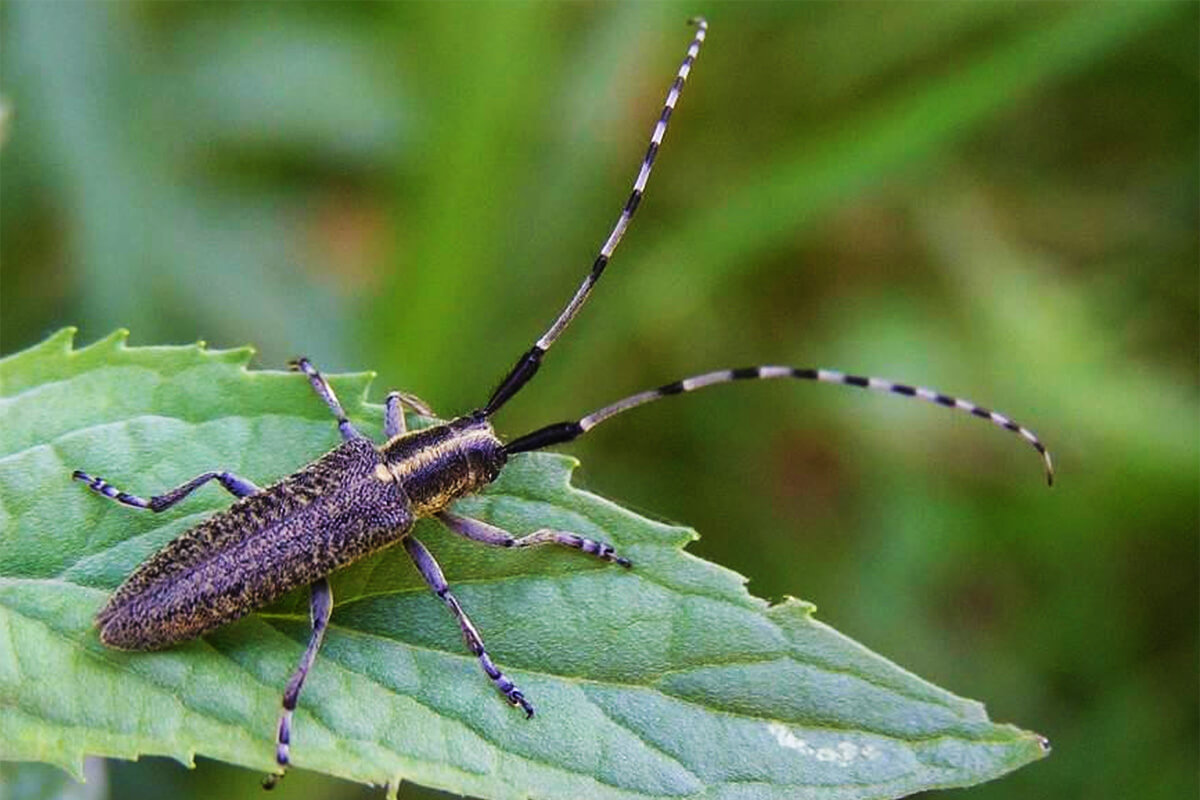
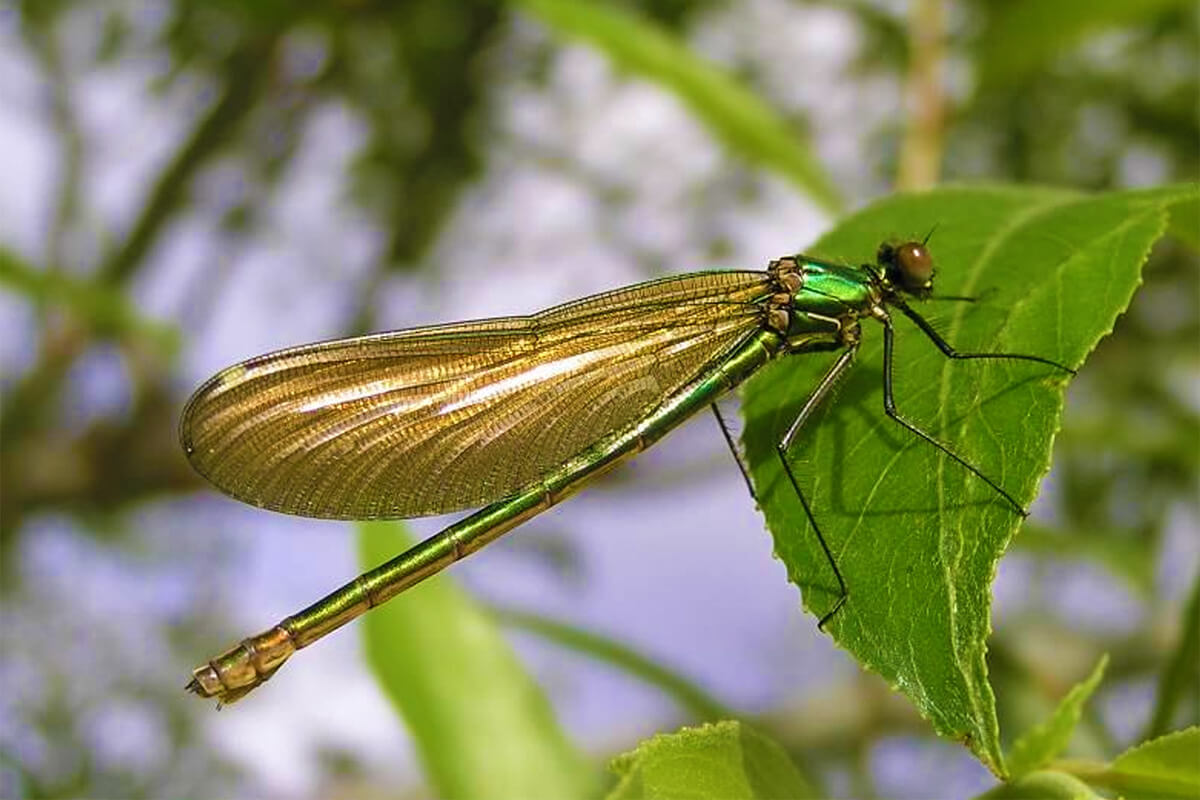
The rich diversity of insect fauna in Altyn-Emel National Park has long been a point of interest for both the scientific community and nature enthusiasts. Systematic study of the region began in the 19th century, pioneered by several researchers. Among them, the lepidopterist Sergei Alpheraky holds a prominent place. During his 1879 expedition to Central Asia and Kulja, Alpheraky discovered dozens of new species of Lepidoptera (butterflies and moths). The striking aesthetics and variety of this order continue to captivate even those with no formal background in entomology. Alpheraky’s legacy serves as a testament to how a profound appreciation for the beauty of the natural world can evolve into a significant contribution to science.
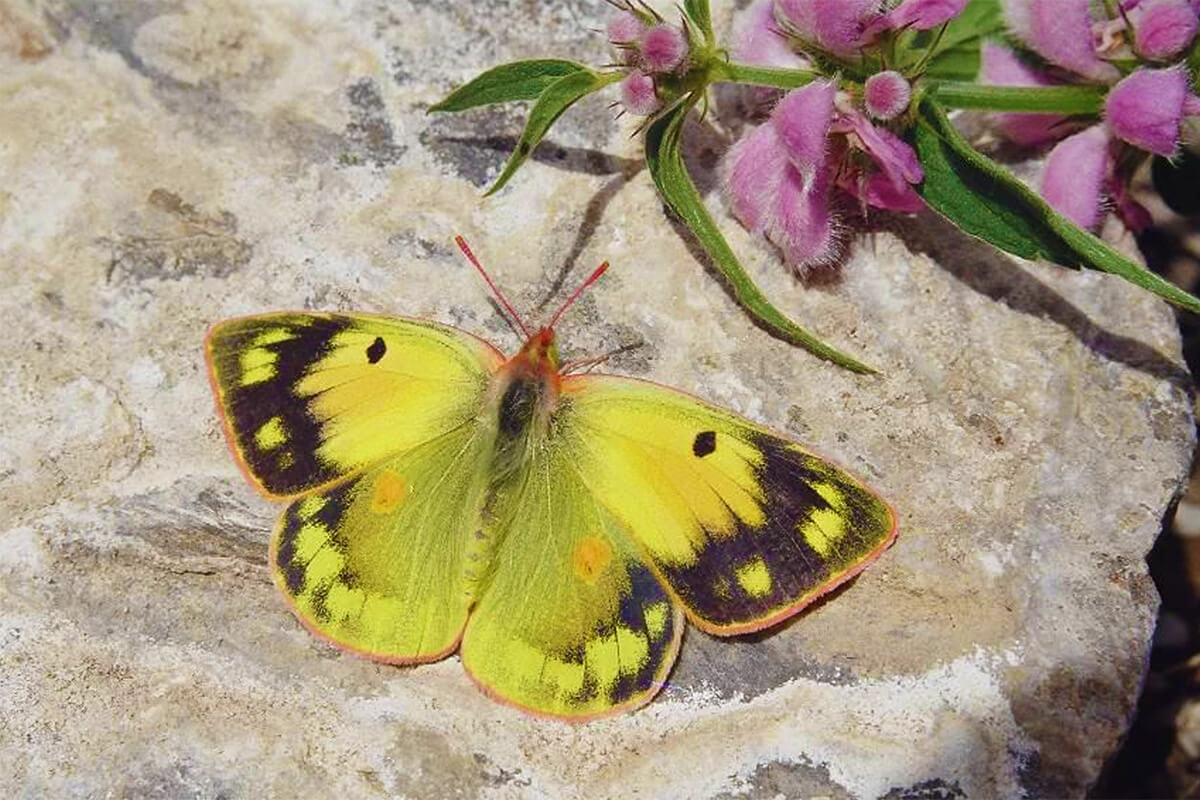
Erschoff's Clouded Yellow — Colias erschoffii (Alphéraky, 1881).
A narrow-range endemic. The species' range is restricted to the high altitudes of the Dzhungarian Alatau, where it is found on the Toksanbai and Tyshkantau ranges.
It was named in honor of Alpheraky’s colleague, the renowned Russian lepidopterist N.G. Erschoff.
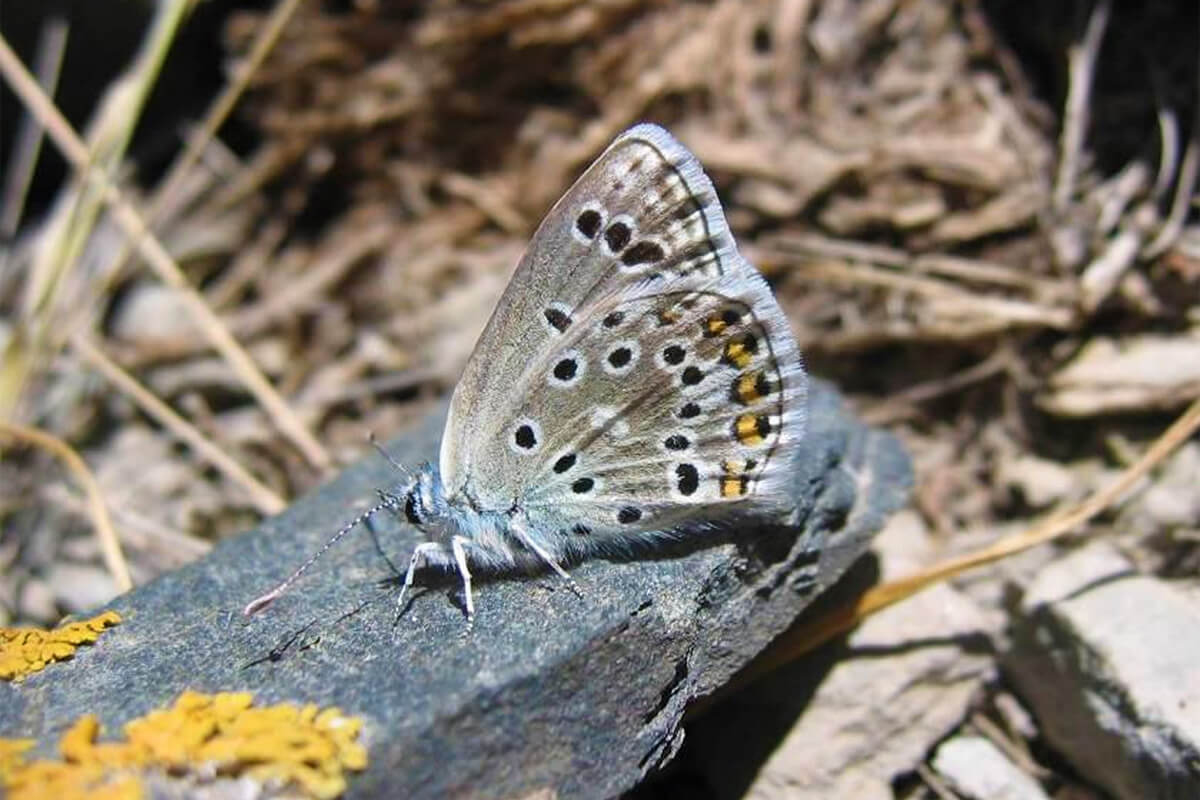
Sarta Blue — Alpherakya sarta (Alphéraky, 1881).
The species' range extends from Pakistan and Afghanistan through the Gissar-Alay and Tian Shan mountain systems to the Southern Altai.
In Kazakhstan, the species is found in the Syr Darya Karatau and the spurs of the Tian Shan (Talas Alatau, Kyrgyz Range, Trans-Ili Alatau, and the Ketmen, Sogety, and Boguty ranges). Its range further encompasses the Chu-Ili Mountains, the Altyn-Emel, Koyandytau, and Toksanbai ranges (Dzhungarian Alatau), as well as the Tarbagatai and Saur mountains, and the Southern Altai region.
In the 19th century, the term "Sarts" referred to the settled population of Central Asia (modern-day Uzbeks and Tajiks). Naming species after local peoples or their regions of habitat was a well-established scientific tradition of that era.
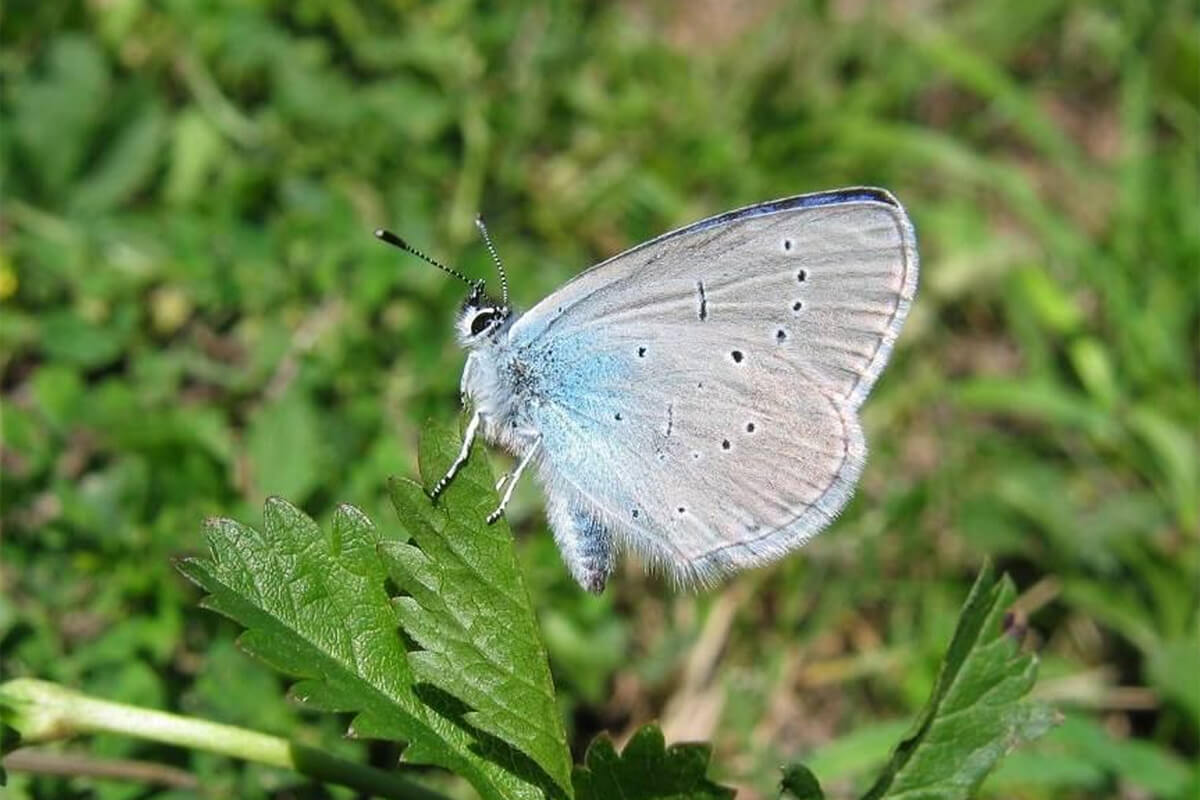
Buddhist Blue — Cupido buddhista (Alphéraky, 1881).
The species' range covers the Pamir-Alay and Tian Shan mountain systems, reaching the Dzhungarian Alatau and Northwestern China (the Nan Shan range).
In Kazakhstan, the species is found in the Western Tian Shan (Talas Alatau, Kyrgyz Range) and extends through the Northern and Central Tian Shan (Trans-Ili, Kungei, and Terskei Alatau, and the Ketmen Range). In the eastern part of the region, the species inhabits the southern chains of the Dzhungarian Alatau, including the Toksanbai and Tyshkantau ranges.
The butterfly was named buddhista ("Buddhist") after the site of its discovery — the vicinity of a Buddhist monastery in the Kulja region, where Alpheraky conducted his research.
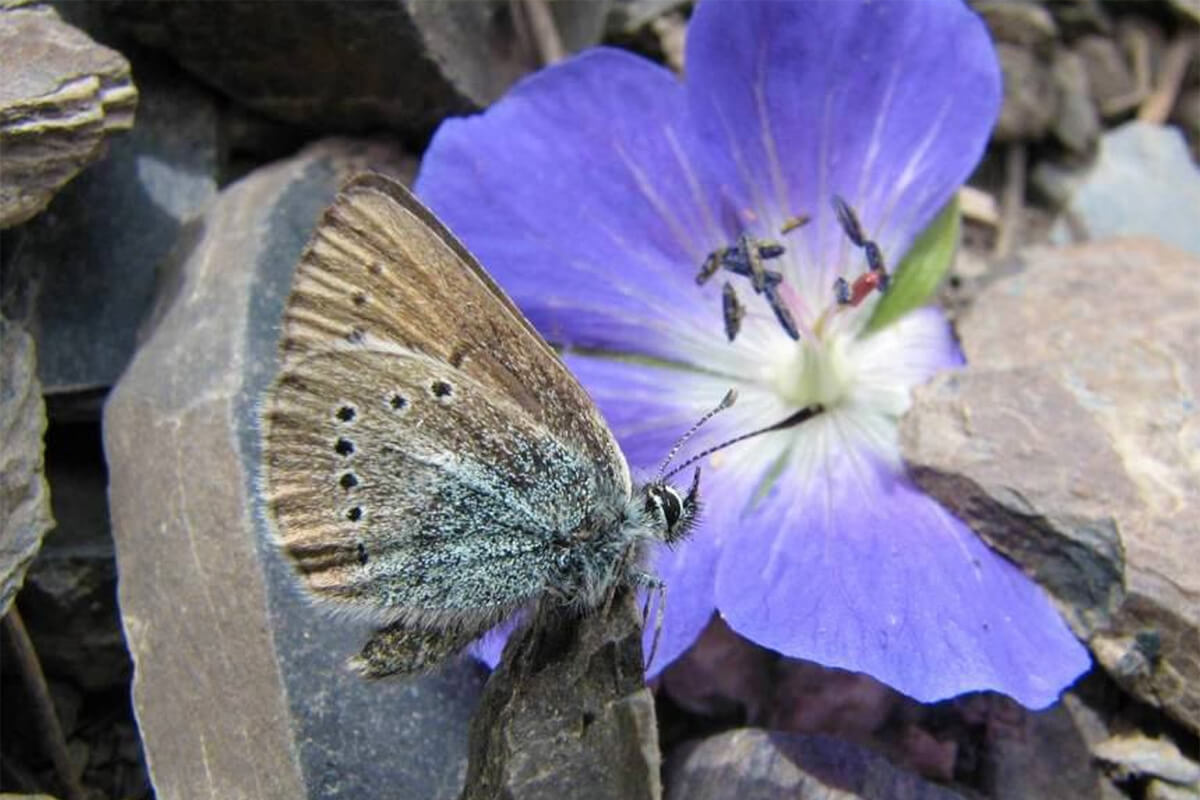
Persephatta Blue — Eumedonia persephatta (Alphéraky, 1881).
The species' range covers the Hindu Kush and Pamir-Alay mountain systems, extending across the entire Tian Shan to the Dzhungarian Alatau.
In Kazakhstan, the species is found in the Syr Darya Karatau and the mountains of the Western Tian Shan (Talas Alatau). Further on, its range encompasses the Northern and Central Tian Shan (Trans-Ili and Kungei Alatau, and the Ketmen Range), reaching the southern chains of the Dzhungarian Alatau, including the Toksanbai Range.
Alpheraky gave this species the name persephatta — one of the names of Persephone, the goddess of the underworld in Greek mythology. Such "classical" names were a common tradition in 19th-century lepidopterology.
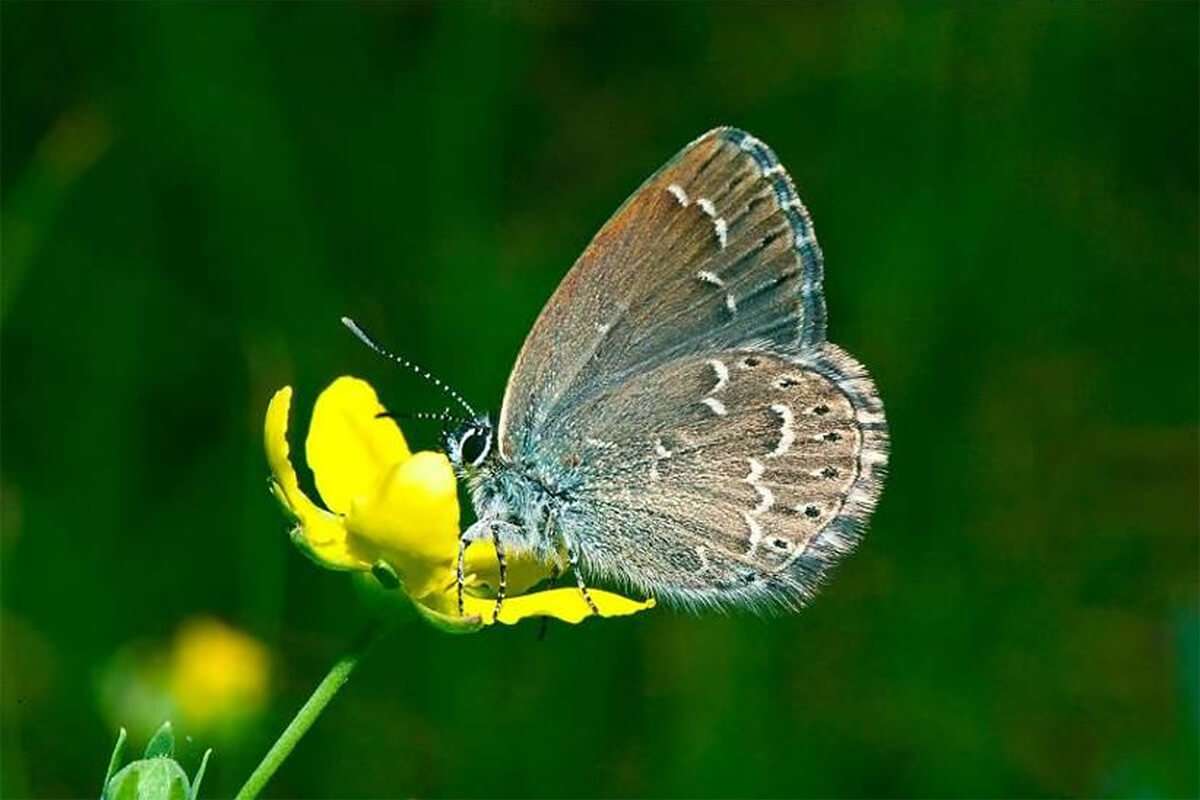
Chinese Blue — Neolycaena sinensis (Alphéraky, 1881).
The species' range covers the Eastern Tian Shan and Dzhungarian Alatau mountain systems, extending into Western China.
In Kazakhstan, the species is found in the Northern Tian Shan (the Ketmen Range). Further to the east, its range passes through the southern chains of the Dzhungarian Alatau, including the Altyn-Emel, Toksanbai, and Tyshkantau ranges.
The specific epithet sinensis ("Chinese") was given by Alpheraky because the type specimens were collected in the Ili region (Kulja), which was under Chinese administration at that time.
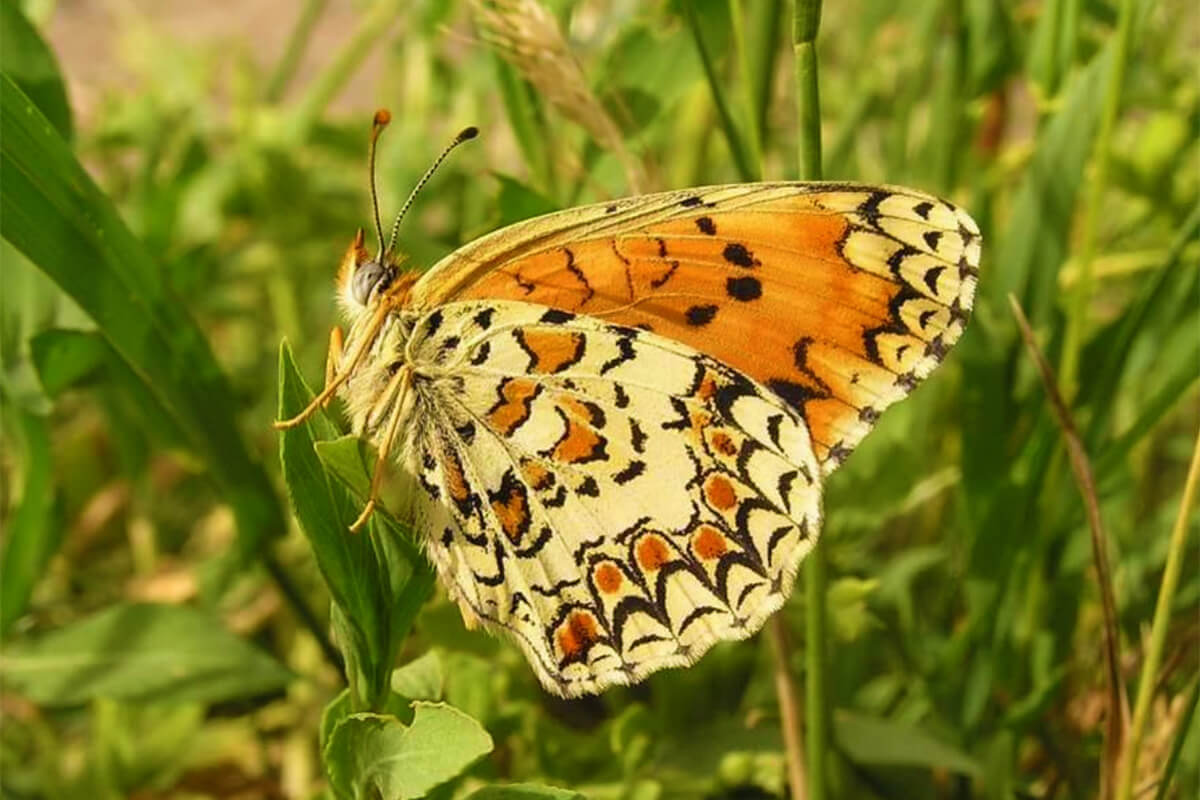
Sibina Fritillary — Melitaea sibina (Alphéraky, 1881).
The species' range covers the Gissar-Darvaz and Tian Shan mountain systems.
In Kazakhstan, the species is found in the Syr Darya floodplain and the Syr Darya Karatau mountains. Further on, its range extends through the Western Tian Shan (Talas Alatau) and the lowlands of Semirechye (the Ili Valley), reaching the high altitudes of the Dzhungarian Alatau.
The butterfly received its name sibina in honour of the Sibin River (now the Sibinka), which flows in Eastern Kazakhstan. Alpheraky used a local hydronym to designate the new species.
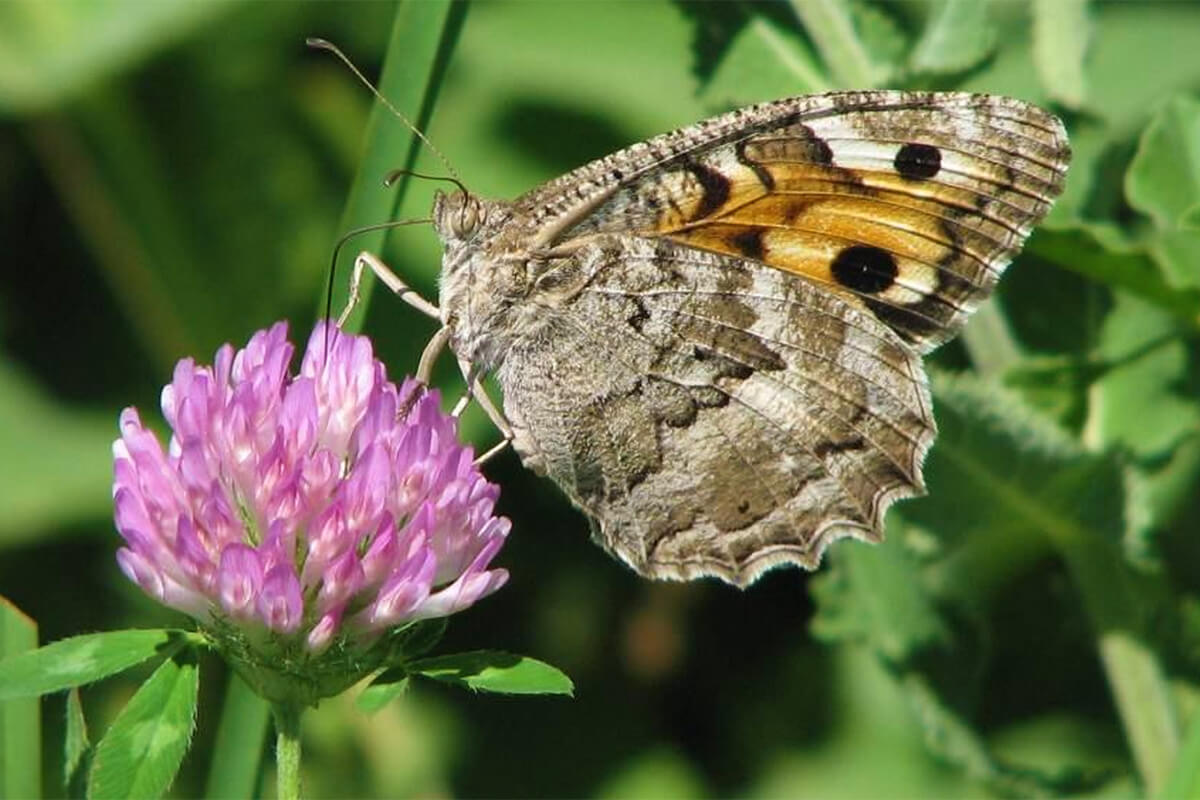
Enervata Grayling — Chazara enervata (Alphéraky, 1881).
The species' range extends from Iran in the south to the Southern Altai in the north.
In Kazakhstan, the species is found in the Karatau Mountains and the Moiynkum Desert, further encompassing the Tian Shan system (Talas Alatau, Kyrgyz Range, Trans-Ili, Kungei, and Terskei Alatau, and the Ketmen Range) and the deserts of Semirechye (Zhetysu). To the north, its range passes through the Dzhungarian Alatau, the Tarbagatai, Saur, and Manrak mountains, reaching the Zaisan Basin.
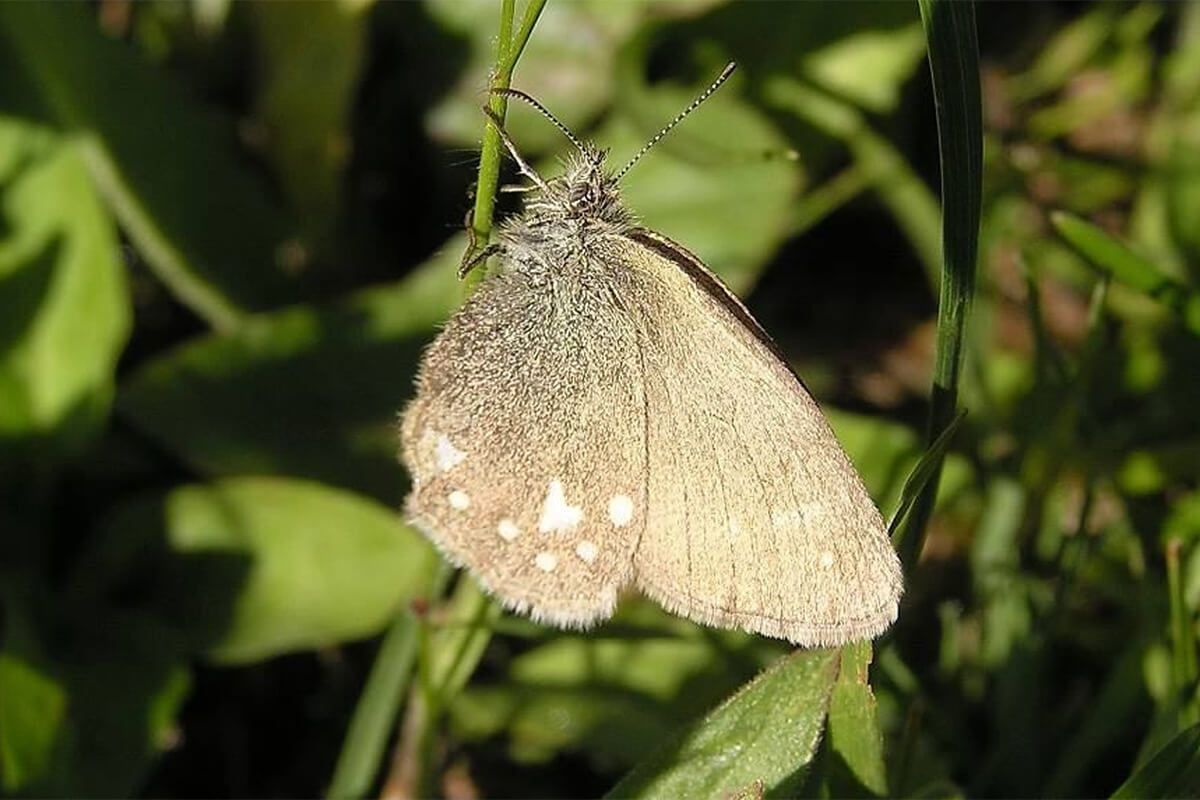
Mahometan Heath — Coenonympha mahometana (Alphéraky, 1881).
A high-altitude relict. The species' range covers the high-mountain regions of the Tian Shan and the Dzhungarian Alatau.
In Kazakhstan, the species is found in the Northern and Central Tian Shan systems (Trans-Ili and Terskei Alatau). Further to the east, its range passes through the southern chains of the Dzhungarian Alatau, including the Toksanbai and Tyshkantau ranges.
Alpheraky gave this species the name mahometana, following the tradition of the time to give "oriental" names to species discovered in the Muslim regions of Central Asia.
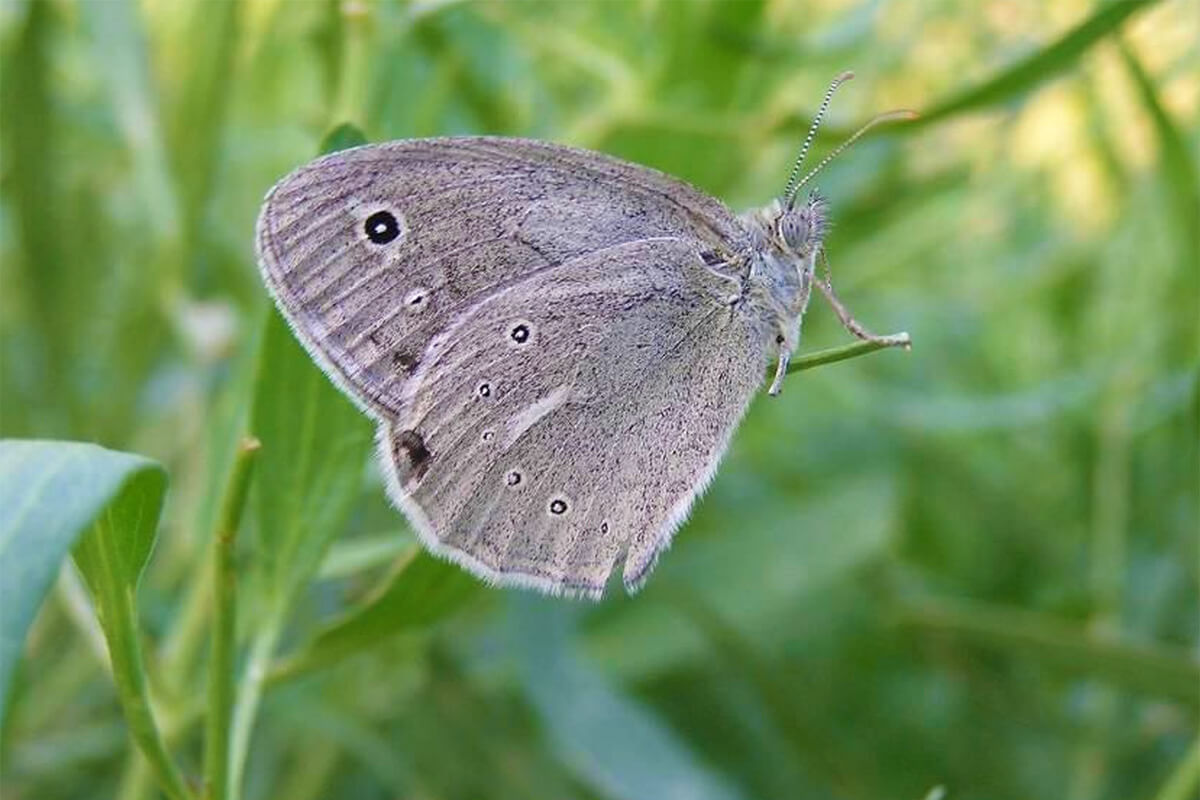
Mongolian Heath — Coenonympha mongolica (Alphéraky, 1881).
A relict species and a narrow-range endemic. The species' range is restricted to the Ili River basin: from the village of Shelek (formerly Chilik) in the west to the city of Kulja (Xinjiang Uyghur Autonomous Region, China) in the east.
Despite the specific epithet mongolica, this butterfly is not found in present-day Mongolia. In Alpheraky's time, the territory of modern Xinjiang (where the species is also recorded) was often referred to as "Chinese Mongolia," a name that became established in its scientific nomenclature.
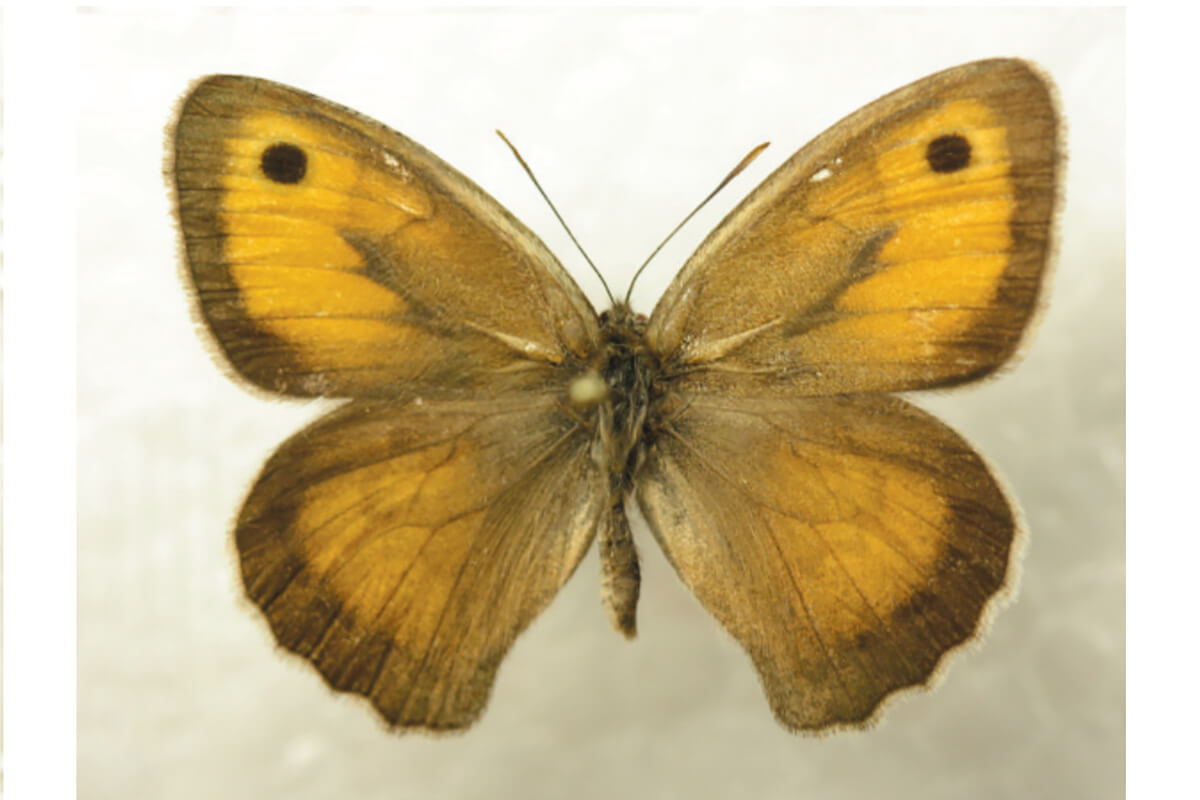
Kirghiz Grayling — Hyponephele kirghisa (Alphéraky, 1881).
The species' range covers the high-altitude regions of the Northern and Eastern Tian Shan.
In Kazakhstan, the species is found in the Northern Tian Shan system (Kungei Alatau and the Ketmen Range). Further to the east, its range passes through the southern chains of the Dzhungarian Alatau, including the Altyn-Emel and Toksanbai ranges.
Alpheraky named this species kirghisa because, in the 19th century, the lands of the Tian Shan and Semirechye (Zhetysu), where his research was conducted, were often referred to as the "Kirghiz Steppes" or the "Kirghiz Region."
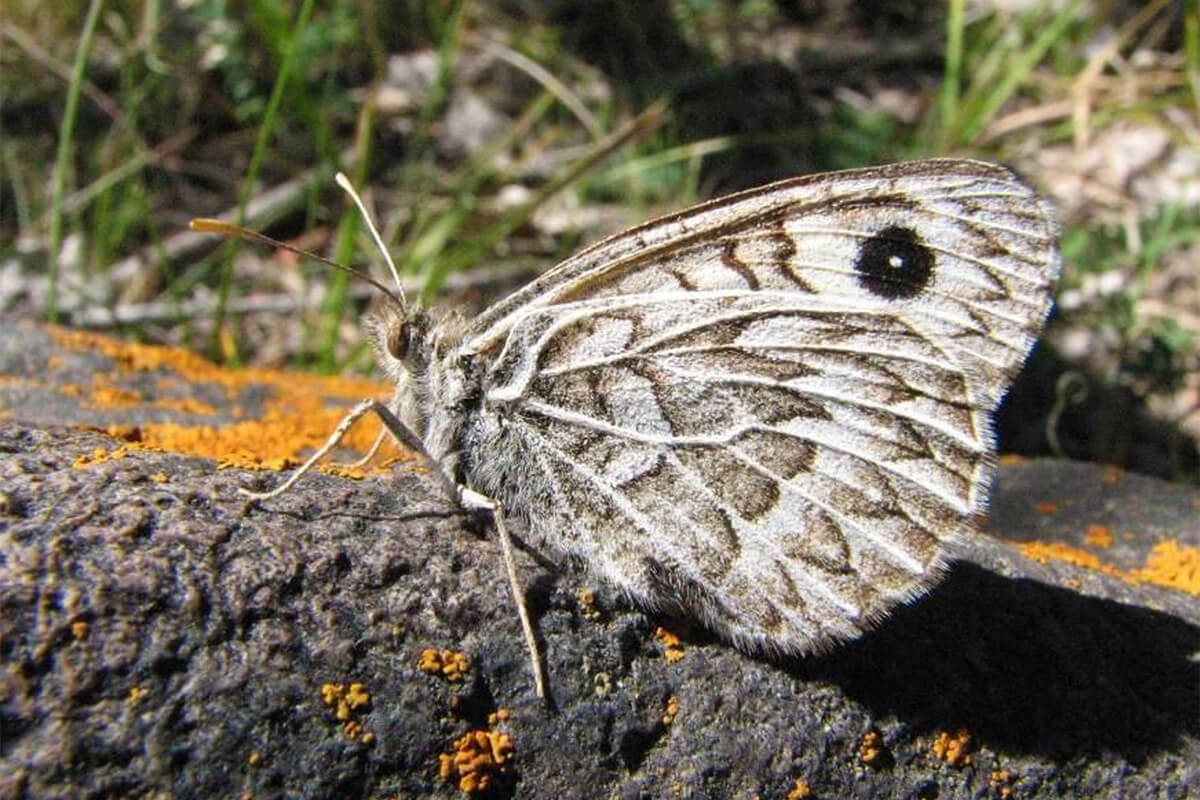
Regel’s Grayling — Karanasa regeli (Alphéraky, 1881).
The species' range covers the high-altitude regions of the Northern, Inner, and Eastern Tian Shan, as well as the Dzhungarian Alatau.
In Kazakhstan, the species is found in the Northern Tian Shan system (Trans-Ili and Kungei Alatau, and the Ketmen Range). Further to the east, its range passes through the southern chains of the Dzhungarian Alatau, including the Toksanbai and Tyshkantau ranges.
Alpheraky named this butterfly in honour of Albert Regel, a physician and traveller who was conducting botanical research in Semirechye (Zhetysu) and Kulja during the same period.