

The Mystery of the Oshaktas Menhirs
Altyn-Emel National Park is a unique place that has preserved its pristine appearance for centuries. While the Mongol invasion ravaged and destroyed the cities of Kazakhstan, forever changing their fate, these steppes remained silent witnesses to great upheavals.
The memory of those times lives on in toponyms and legends. It is believed that Genghis Khan himself gave the name to the Altyn-Emel pass ("Golden Saddle"), and that he is buried beneath the sands of the Singing Dune.
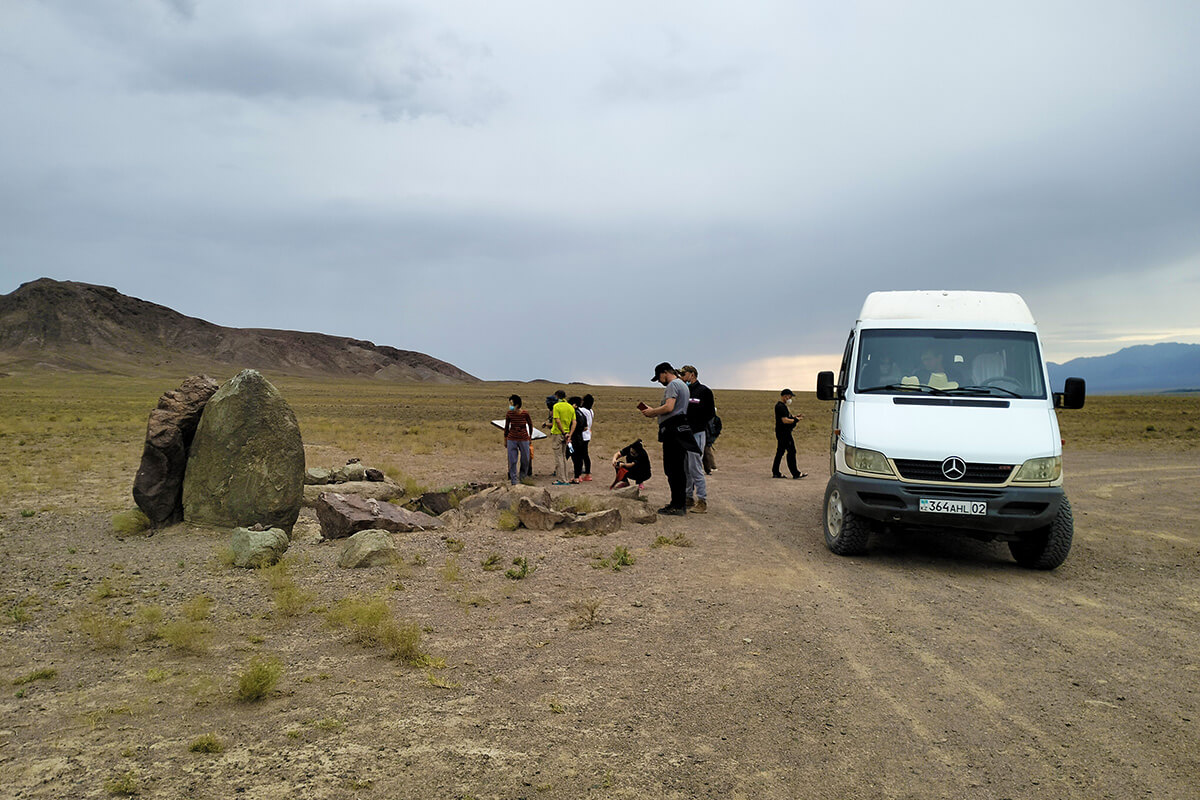
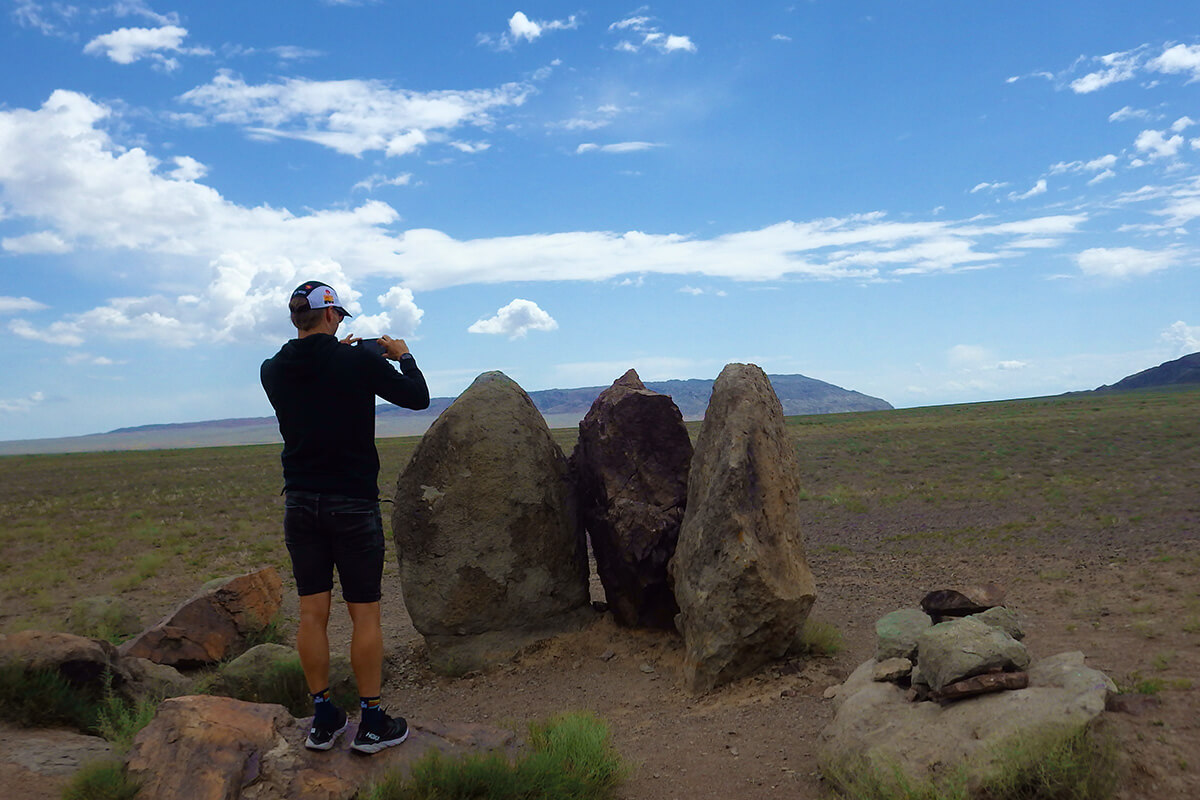
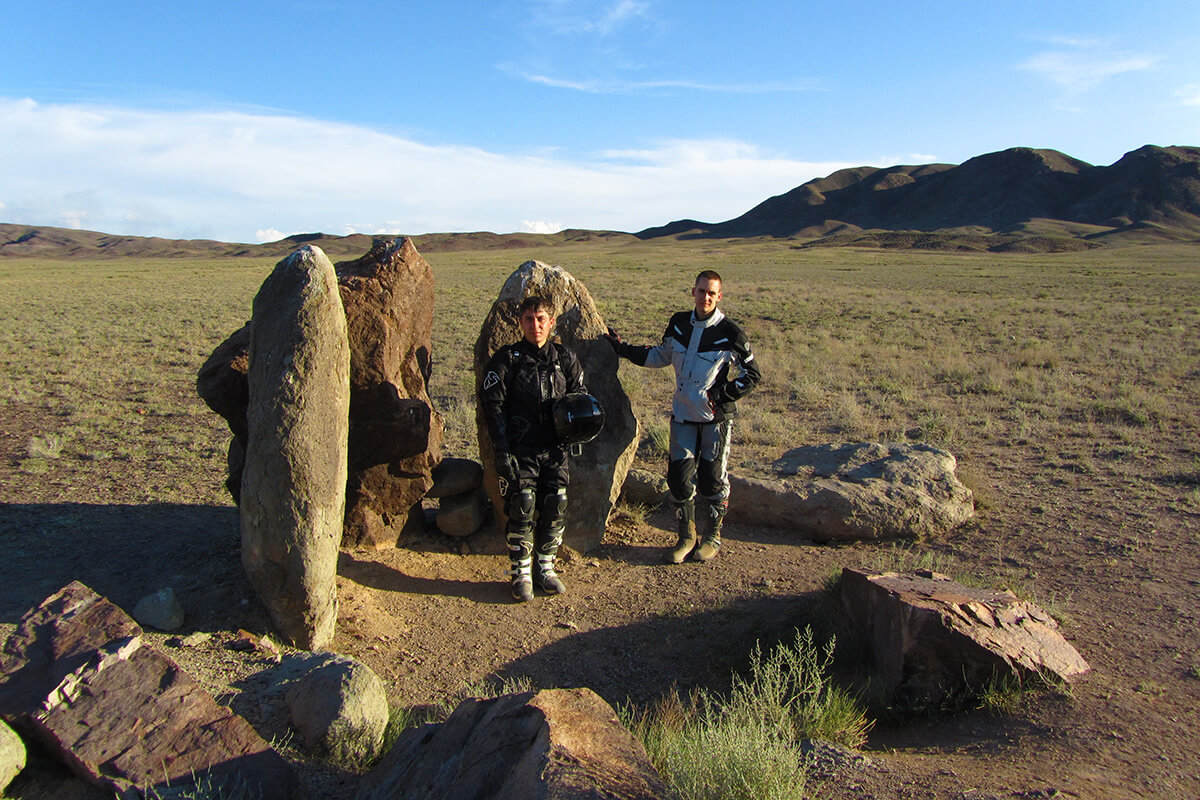
The mysterious Oshaktas stone steles, standing lonely in the steppe, have also become subjects of legend. According to one, Genghis Khan's warriors used these stones as a base for a signal fire or as a hearth for cooking food. The name "Oshaktas" itself translates from Kazakh as "stone hearth."
Despite the legends, archaeological data points to an even deeper antiquity — the Saka era (1st millennium BC). Most likely, Oshaktas was a site for sacred rituals. Similar megaliths are often found to the west of this location, near the famous Besshatyr Mounds.
These vertical stones are called menhirs (from the Breton men — "stone" and hir — "long"). Menhirs are among the oldest man-made structures to have survived to the present day. They are widely distributed across the globe: from the steppes of Asia and the deserts of Africa to Europe (the most famous example being Britain's Stonehenge).
The exact purpose of menhirs as a global phenomenon remains a subject of scientific debate. Whether these megaliths served as astronomical markers, memorials, or cult altars is not known for certain. However, the tradition of erecting vertical stones has proven to be one of the most enduring in human history: even today, steles are raised to commemorate significant events.
Oshaktas: Location
Oshaktas is located near the Lesser Kalkan Mountains, 10 km from the Singing Dune and 1.5 km from the Mynbulak ranger station.
Unlike the Besshatyr megaliths, the Oshaktas steles stand in the open steppe. There are no burial mounds, fellow menhirs, or even simple clusters of stones nearby. With no connection to burials or settlements, Oshaktas appears as an arbitrary point on the map, chosen for a reason unknown to us.
How to Get to Oshaktas
Oshaktas is located along the main tourist route, so a visit to the menhirs is typically planned as part of a trip to the Singing Dune. To ensure your visit is comfortable and follows all regulations — please review the detailed instructions below:
- Self-Drive Trip to the Singing Dune — essential travel info, route details, and road conditions.
- How to Buy a Permit — up-to-date information on park opening hours, entry rules, and permit costs.