


The Altyn-Emel National Park is home to a wide array of endemic plants (over 60 species) found only within the park and its surrounding areas. Many of these are listed in the Red Data Book of Kazakhstan as rare or endangered species (marked with an asterisk*).
Some well-known endemics — such as turanga, Schrenk's spruce, and Tianshan cherry — are the park's dominant landscape plants, while others are classified strictly as rare and endangered, including the Caucasian hackberry, common apricot, Albert's tulip, and others.
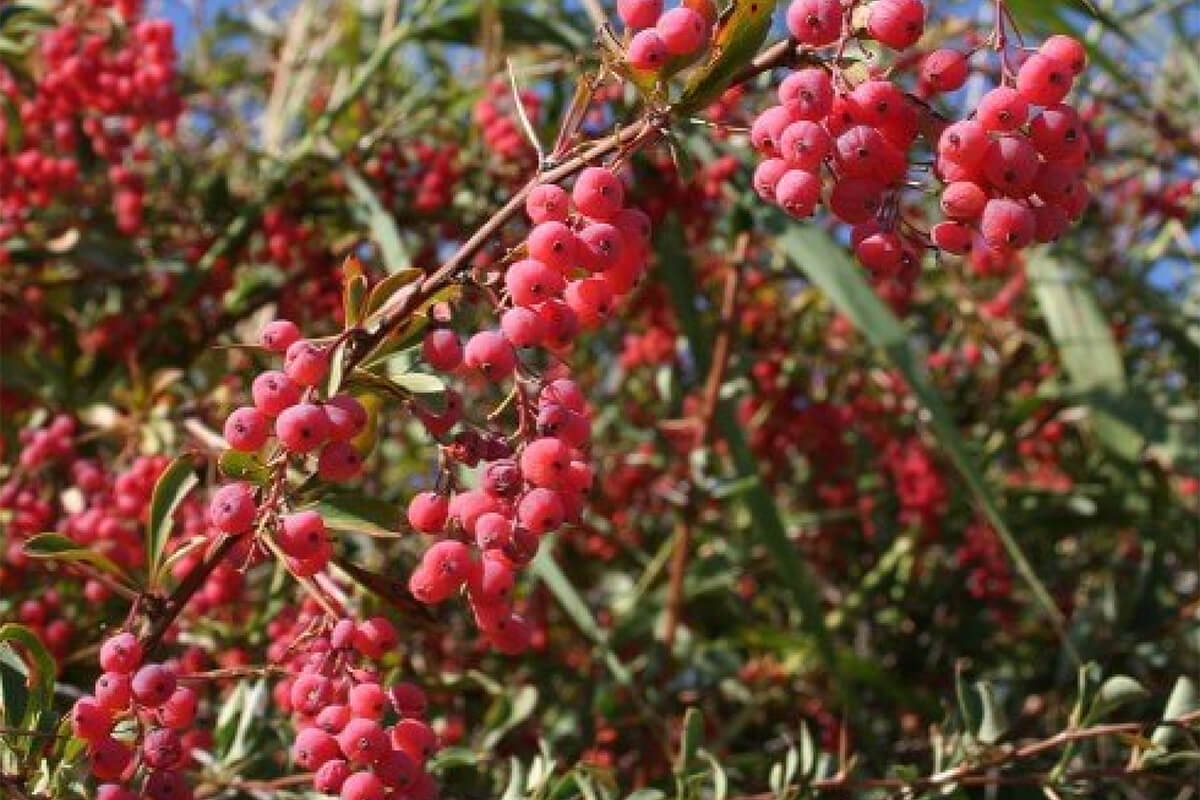
Ili Barberry* — Berberis iliensis.
Grows on clay and saline soils, in sandy areas, and among tugai vegetation. An endemic of the Ili Valley, it is listed in the Red Data Book of Kazakhstan.
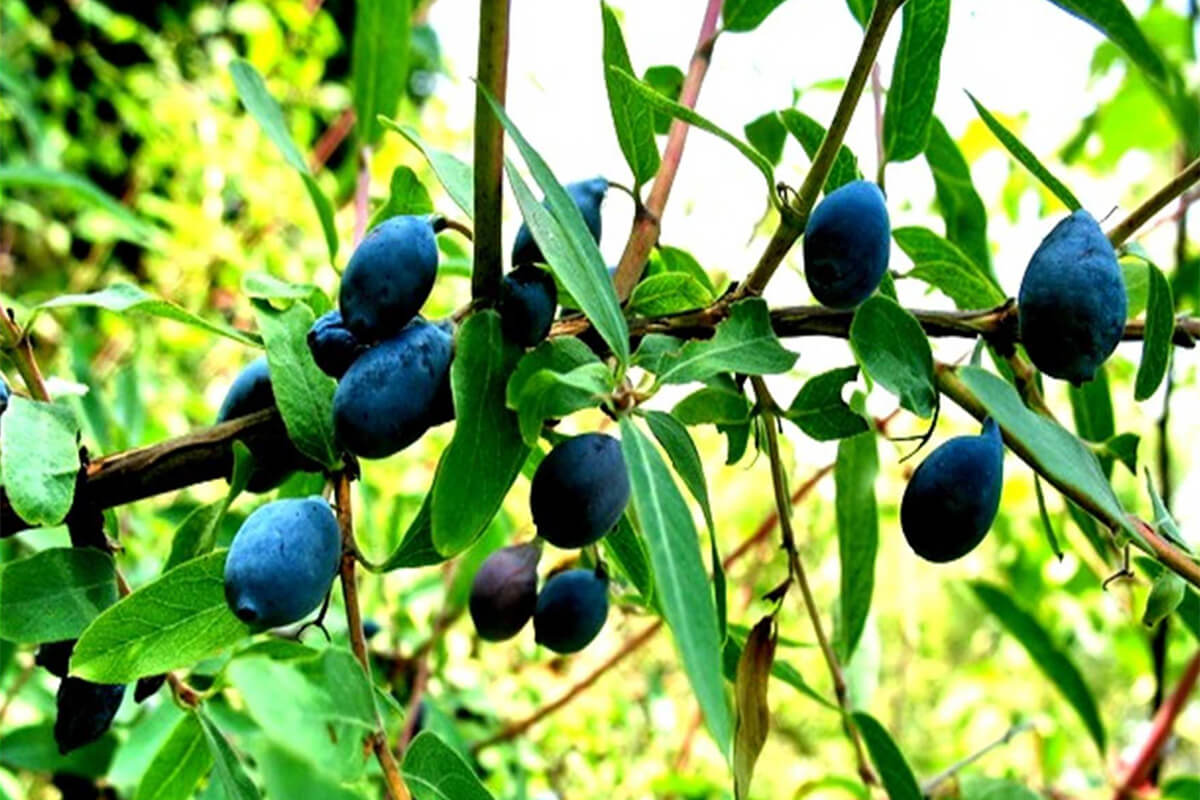
Ili Honeysuckle* — Lonicera iliensis.
Grows in the Ili River valley among tugai vegetation. An endemic of the Ili River basin, it is listed in the Red Data Book of Kazakhstan.
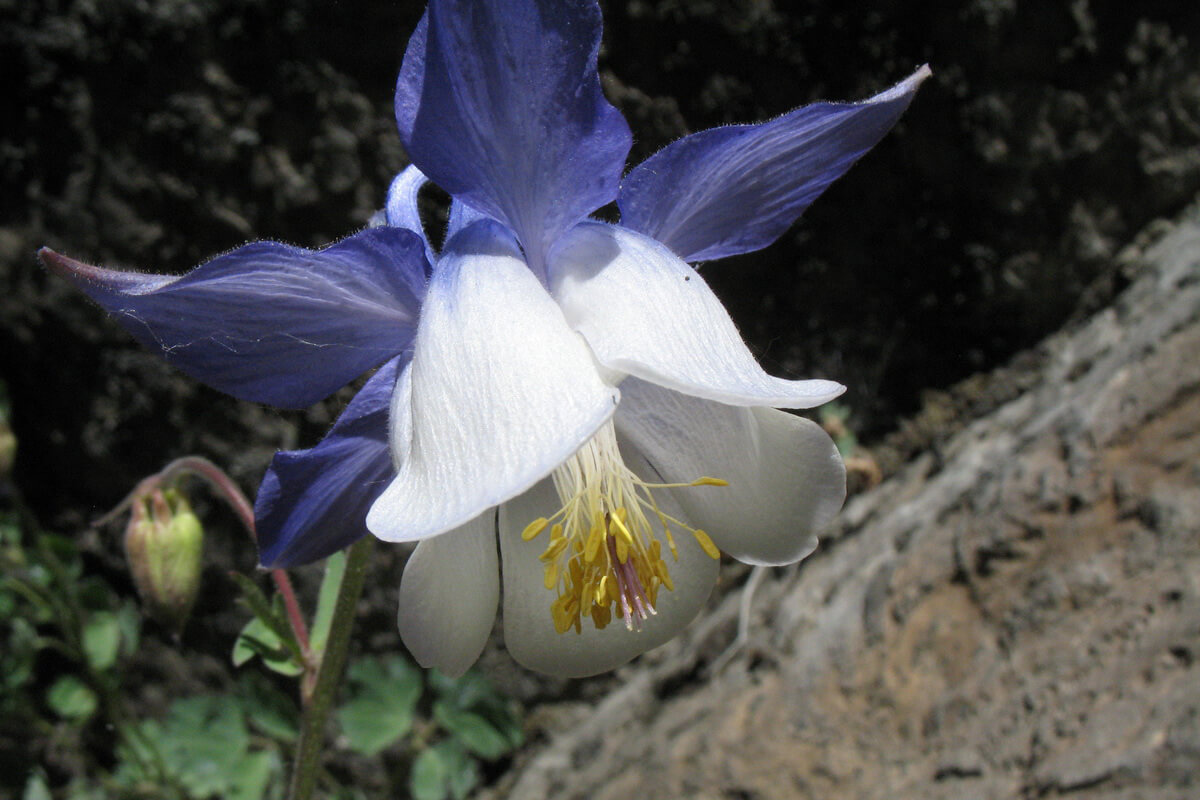
Vitaliy’s Columbine* — Aquilegia vitalii.
Grows in rock crevices and on canyon screes of mountain rivers. A rare endemic of the Dzhungarian Alatau, it is listed in the Red Data Book of Kazakhstan.
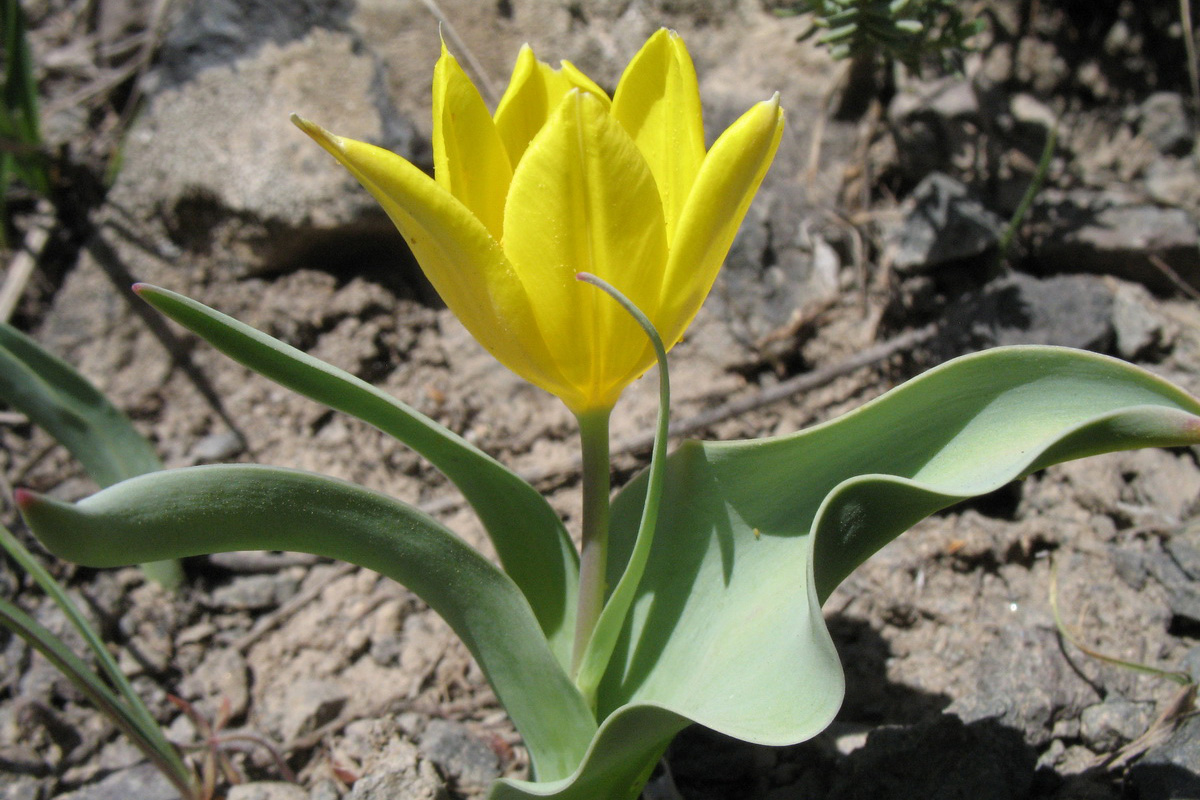
Short-stamened Tulip* — Tulipa brachystemon.
Grows on gravelly slopes, in steppes, mountain meadows, and among steppe shrub thickets. An endemic of the Dzhungarian Alatau, it is listed in the Red Data Book of Kazakhstan.
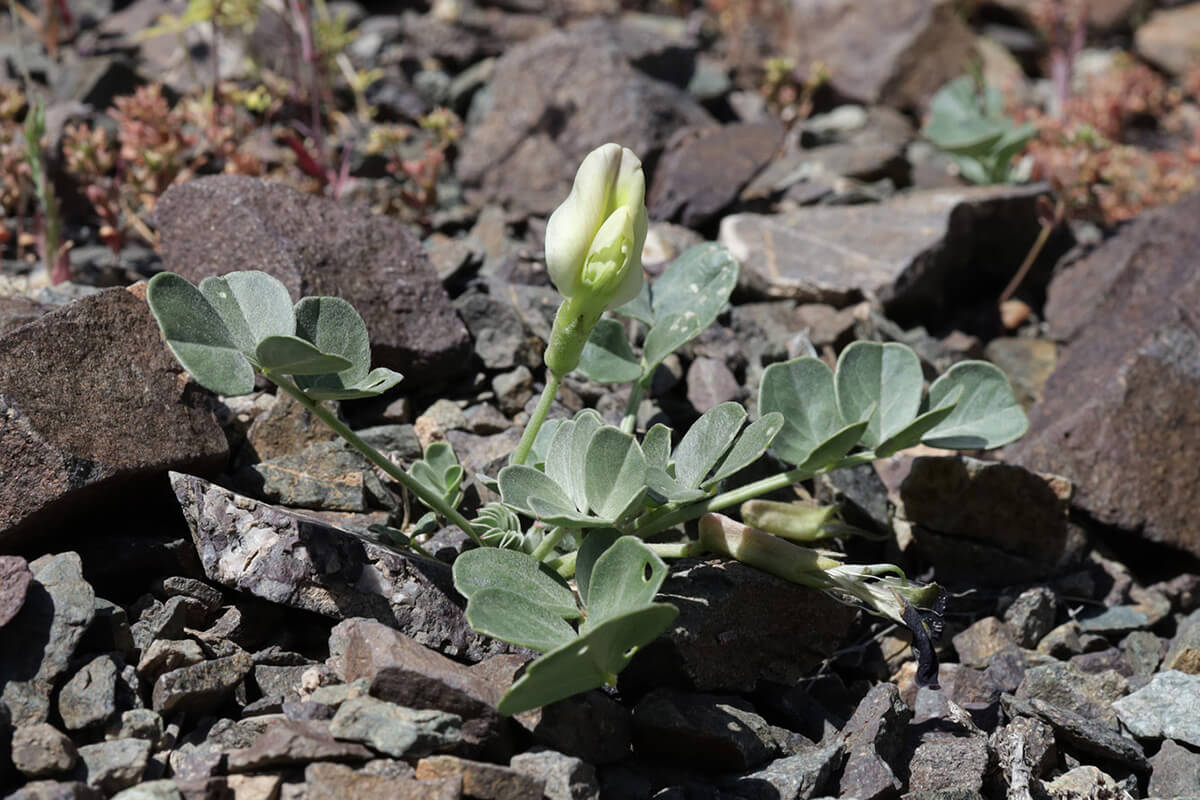
Dzungarian Chesneya* — Chesneya dshungarica.
Grows on southern rocky slopes, variegated beds, and on alluvial fans of piedmont ravines. A rare endemic, it is listed in the Red Data Book of Kazakhstan.
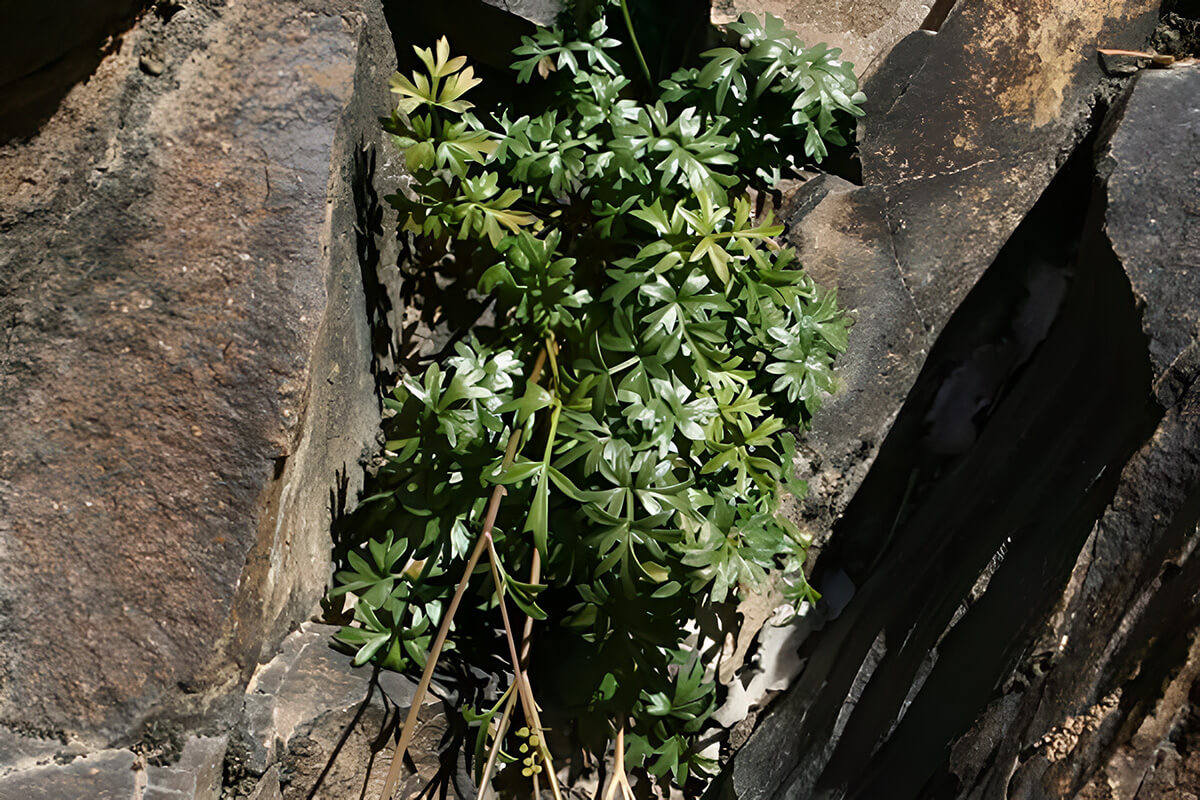
Rock Silaum* — Silaum saxatilis.
Grows in rock crevices. An endemic of the Dzhungarian Alatau and extremely rare, it is listed in the Red Data Book of Kazakhstan.
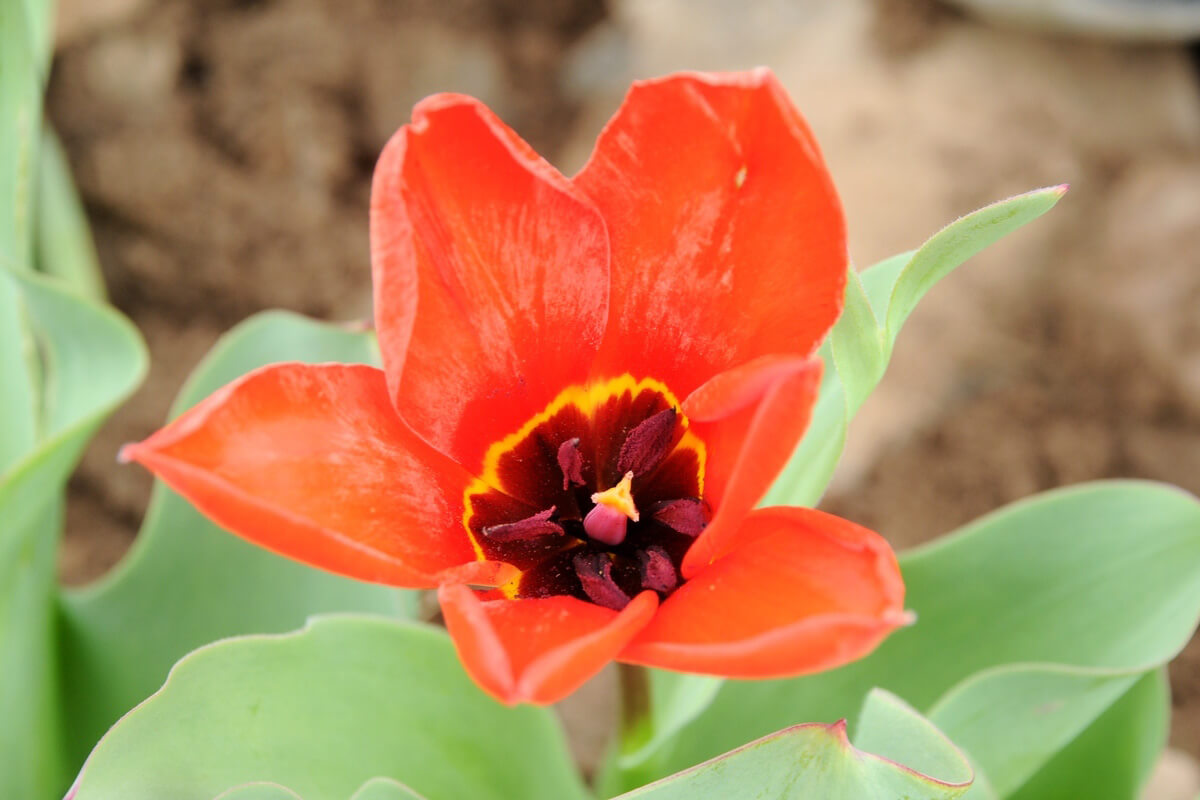
Ivashchenko’s Tulip — Tulipa ivasczenkoae.
A narrow-range endemic of the Sholak Mountains. It requires population monitoring and inclusion in the Red Data Book of Kazakhstan.
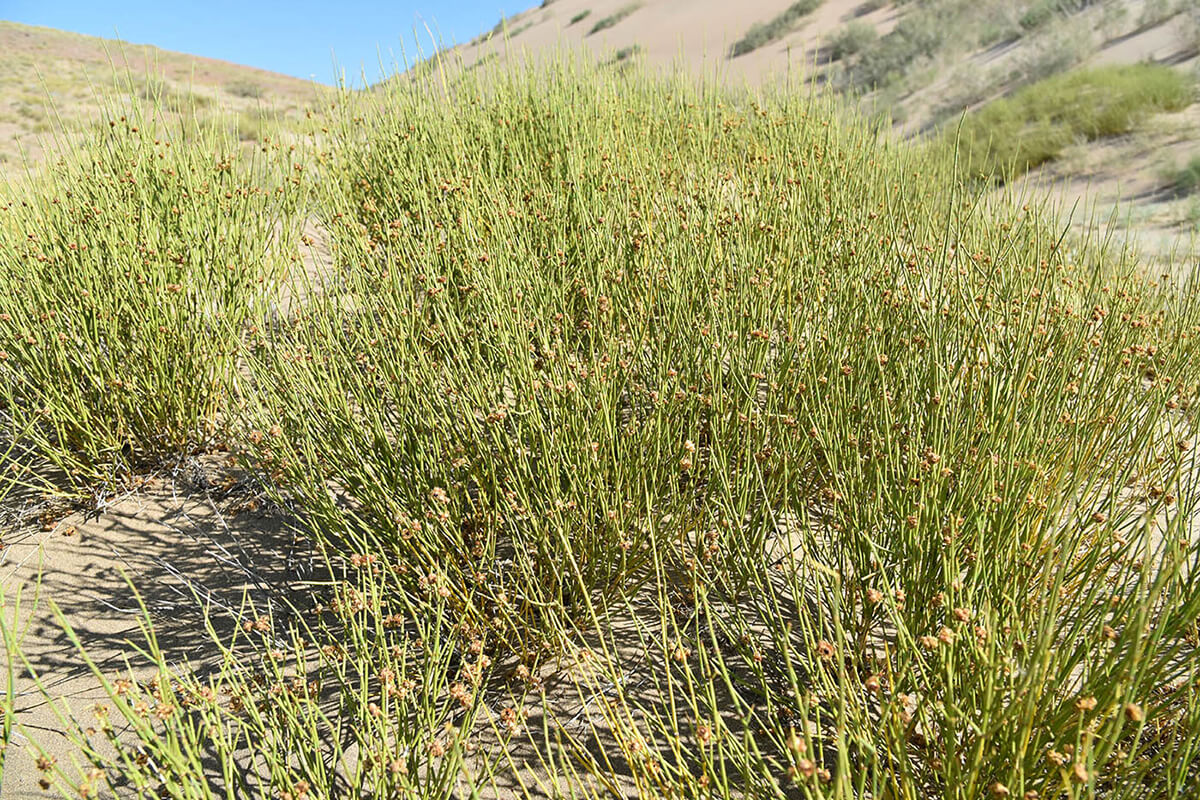
Przewalski's Ephedra — Ephedra przewalskii. An endemic of Central Asia.
Grows on sands, gravelly-sandy piedmont plains, and in dry watercourses, as well as on the rocky slopes of hills and foothills. It forms communities along the edge of the Singing Dune.
Broad-range endemics also grow within the Altyn-Emel National Park.
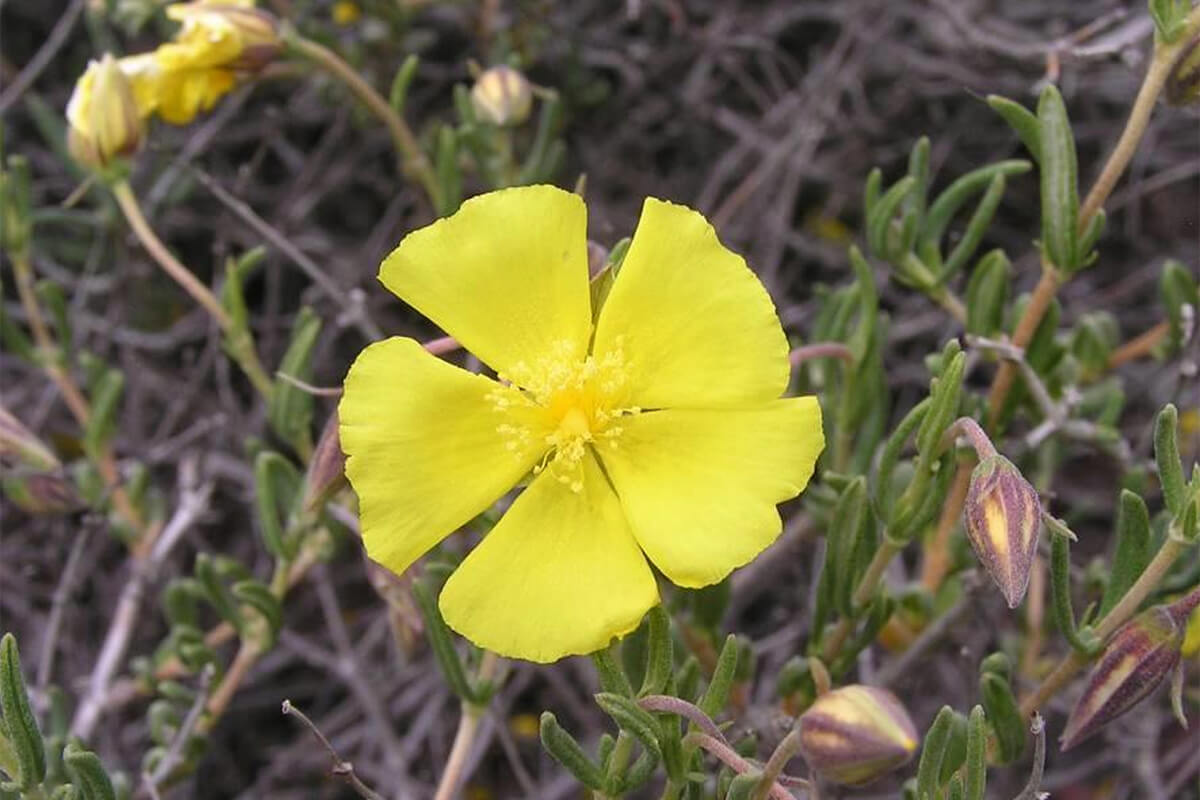
Dzungarian Rockrose — Helianthemum songaricum.
Grows on dry rocky and gravelly slopes, forming plant communities.
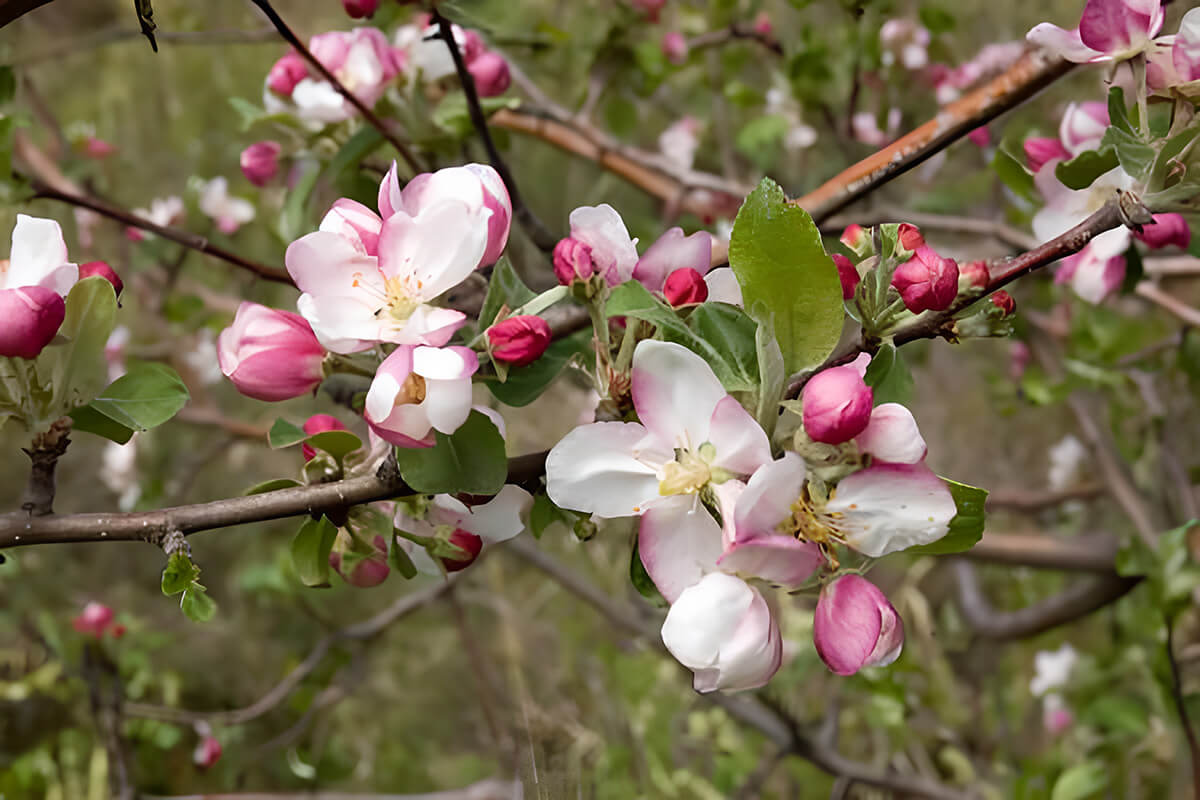
Sievers’ Apple* — Malus sieversii.
An endemic of the Trans-Ili and Dzhungarian Alatau. Grows in mountain ravines, forests, and shrublands, sometimes forming independent stands. It is listed in the Red Data Book of Kazakhstan.
Sievers' apple is considered the ancestor of all modern cultivated apple varieties.
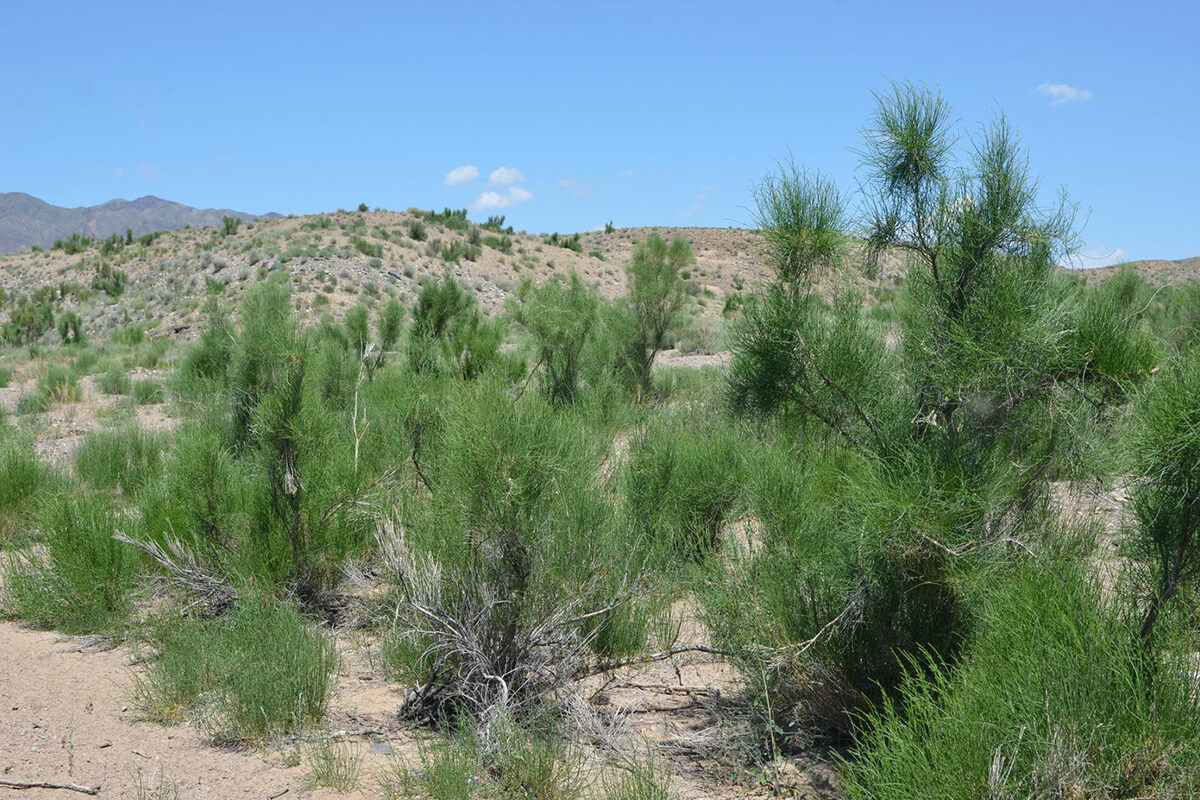
Black Saxaul — Haloxylon aphyllum.
Grows in saline depressions and hollows, along the edges of takyrs, forming sparse stands.
Like the White Saxaul (Haloxylon persicum), it is under the protection of the national park.